
Mexico has enough modern stadiums, such as the Estadio Omnilife, to host the planned 10 games.
The US, Mexico and Canada have submitted a joint bid to host the tournament. But is it a fair deal for fans across the three countries?
Would it have been better for Mexico to bid on its own?
It would have been a more popular move but also a riskier, more complicated path to take. Mexico would have been bidding against a formidable adversary in the US and would have been required to invest a lot more in organisation and infrastructure if it had won the bid on its own. A joint bid diminishes the risks of corruption and security problems — two major concerns in Mexico today. Co-hosting would also enable the involvement of millions of Mexicans who live north of the border, without excluding those at home.
Is it fair that the US gets most of the games?
It rankles with Mexicans that their country, which boasts a much richer footballing tradition than the US, is being treated as its junior partner. With tensions already running high between both nations during the Donald Trump era, the plans for Mexico to host just 10 out of 80 games and none from the quarter-finals onwards have come as a shock and another slap in the face to many Mexicans. Their enthusiasm dampened, some fans have even called on Mexico’s Football Federation to withdraw from the bid unless they are guaranteed more games. On the other hand, some have argued that the US could have launched a solo bid and still won, leading Mexico (and Canada) without any games…
International Journalism Festival: A world of censorship
Alongside four colleagues from Index on Censorship magazine, I took part in a panel on media censorship and freedom of expression this morning at the 2017 International Journalism Festival in Perugia, Italy. I spoke about the many dangers and challenges facing journalists in Mexico today.
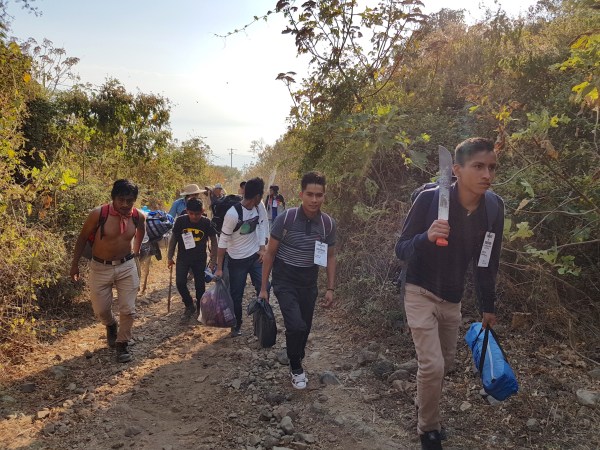
Young boys and elders head to the Mezcala hills to talk about the importance of their heritage and resisting displacement.
Machetes in hand, the indigenous Cocas are climbing the steep scrubby hills that overlook their territory. Young boys climb alongside elders while a trusty donkey carries their camping equipment. Other groups man outposts beside the entrances to Mezcala, the lakeside town their forefathers founded in the late 13th century, over 200 years before the Spanish arrived in Mexico.
They’re heading out on a unique voyage – bringing the community together to discuss their tactics against displacement. The men and boys will spend the night huddled around ceremonial bonfires, telling stories about their heritage, before descending upon the sacred Isle of Mezcala the next morning to discuss with a larger group how to defend their land and way of life. Based in the western state of Jalisco, the Cocas go back more than 700 years and have had to fight off waves of invaders over the centuries.
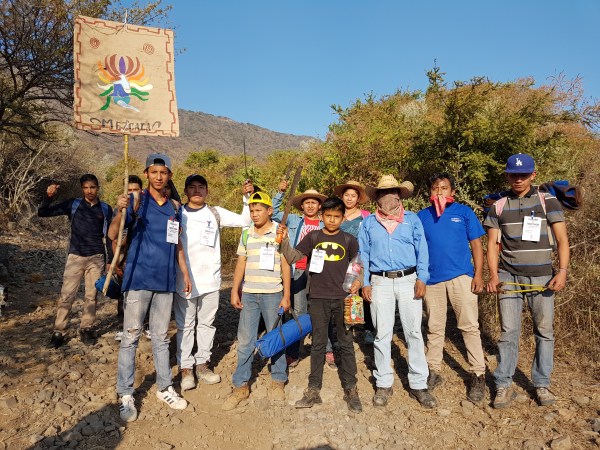
The Cocas may not have a traditional dress or dialect, but they are determine to protect their way of life.
The latest threat to their land? A wave of American retirees heading south – pretty ironic, given President Donald Trump’s demonisation of Mexican immigrants. Thousands of American and Canadian retirees have settled in the neighbouring towns on Chapala and Ajijic in recent decades to take advantage of the cheap living costs, year-round sunshine and stunning views of Mexico’s biggest lake.
Now known as the “Chapala Riviera”, the area is brimming with boutique hotels and gated communities. Foreigners are driving the growth, having spent more than twice as much as locals on housing and tourism in 2015. An estimated 7,000 expats live there all year round, with up to 10,000 “snowbirds” joining them each winter. Expat community leaders say their population could double within five years.
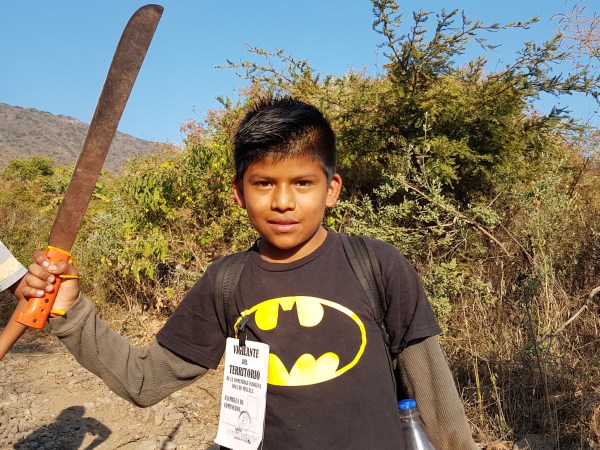
For centuries, Mezcala’s communal land has been passed down from one generation to another.
Property developers have long coveted nearby Mezcala, the home of 5,000 Coca people. With poorly paved roads and crumbling houses, it is noticeably less developed than Chapala and Ajijic. But after witnessing what happened to the original residents of those towns, the Cocas have reason to fear outsider-led development.
Santiago Bastos, an anthropologist who has spent eight years studying Mezcala, notes that the arrival of foreign retirees and wealthy Mexicans from nearby Guadalajara saw indigenous residents ousted, often illegally, from prime plots of land, while prices shot up, making the lakeside area unaffordable for many locals…
 The Tequila Files