Guadalajara is the money laundering capital of Mexico
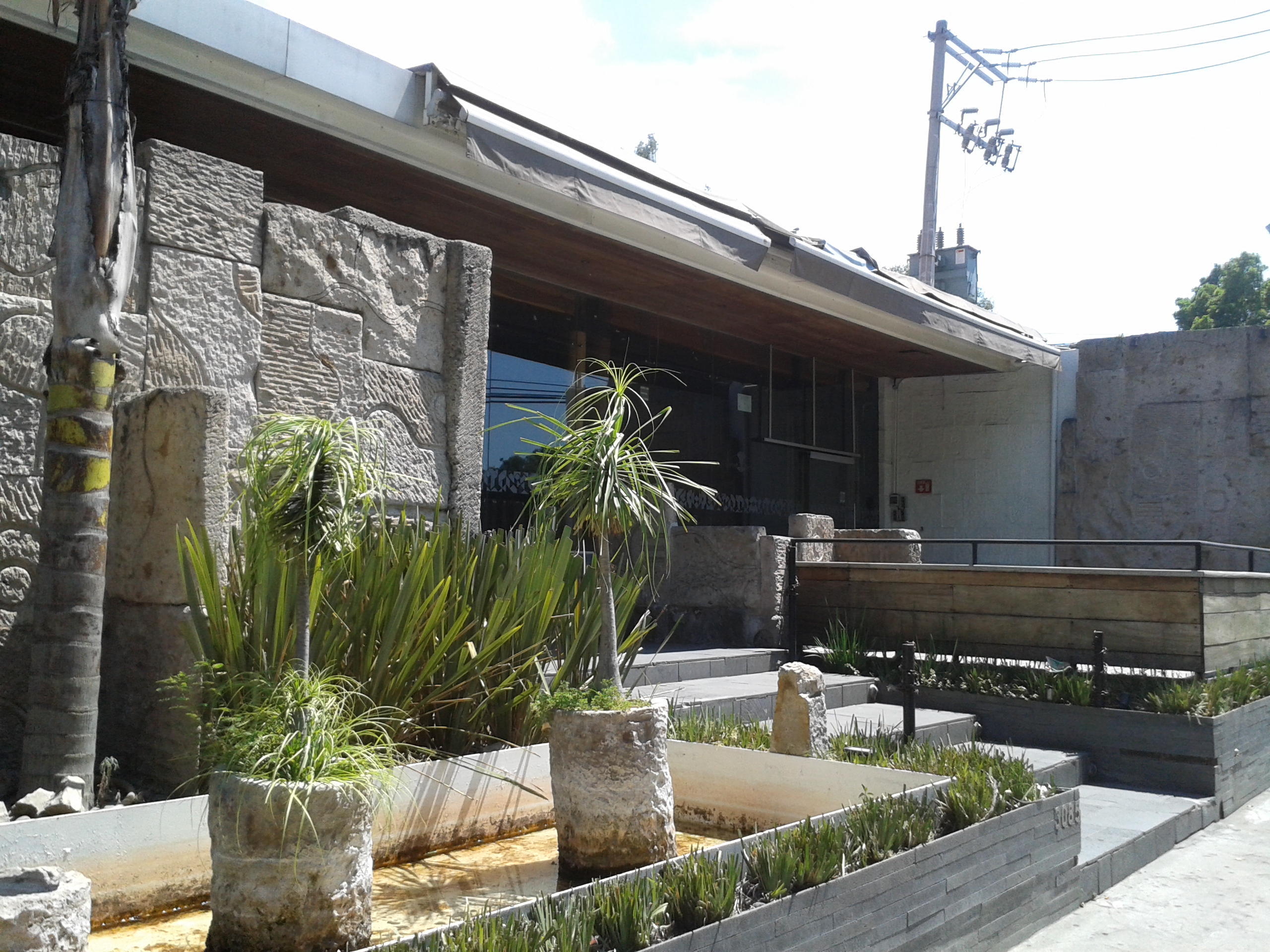
Lucrecia closed 13 months after being designated for money laundering by the US Treasury Department.
There was nothing unusual about the fresas, or preppy rich kids, who used to order liquor by the bottle and dance to electronic beats behind the stone and glass façade of Guadalajara’s trendy Lucrecia nightclub. But the first indication that something untoward was happening at the club came in March 2013, when unidentified customers shot the head waiter eight times on their way out.
The shooting drew unwelcome attention to Lucrecia. Thirteen months later, the US government blacklisted it for allegedly laundering dirty money on behalf of veteran drug cartel capo Rafael Caro Quintero.
The bar finally closed down in January this year, saying with a Facebook post: “Legends never die!” But there are plenty of other places in Guadalajara, Mexico’s second largest city, that are believed to be helping drug gangs launder their illicit profits.

The luxury Zotogrande residential complex was linked to veteran kingpin Rafael Caro Quintero.
Consequently, Tapatios, as Guadalajara natives are known, can never be sure when they shop, eat, drink, dance, fill up their gas tanks, or even pay their rent if they may be inadvertently helping the Jalisco New Generation cartel and other gangs that have terrorized the population and paralyzed the city with narco-blockades.
Click here to read this feature in full at VICE News.
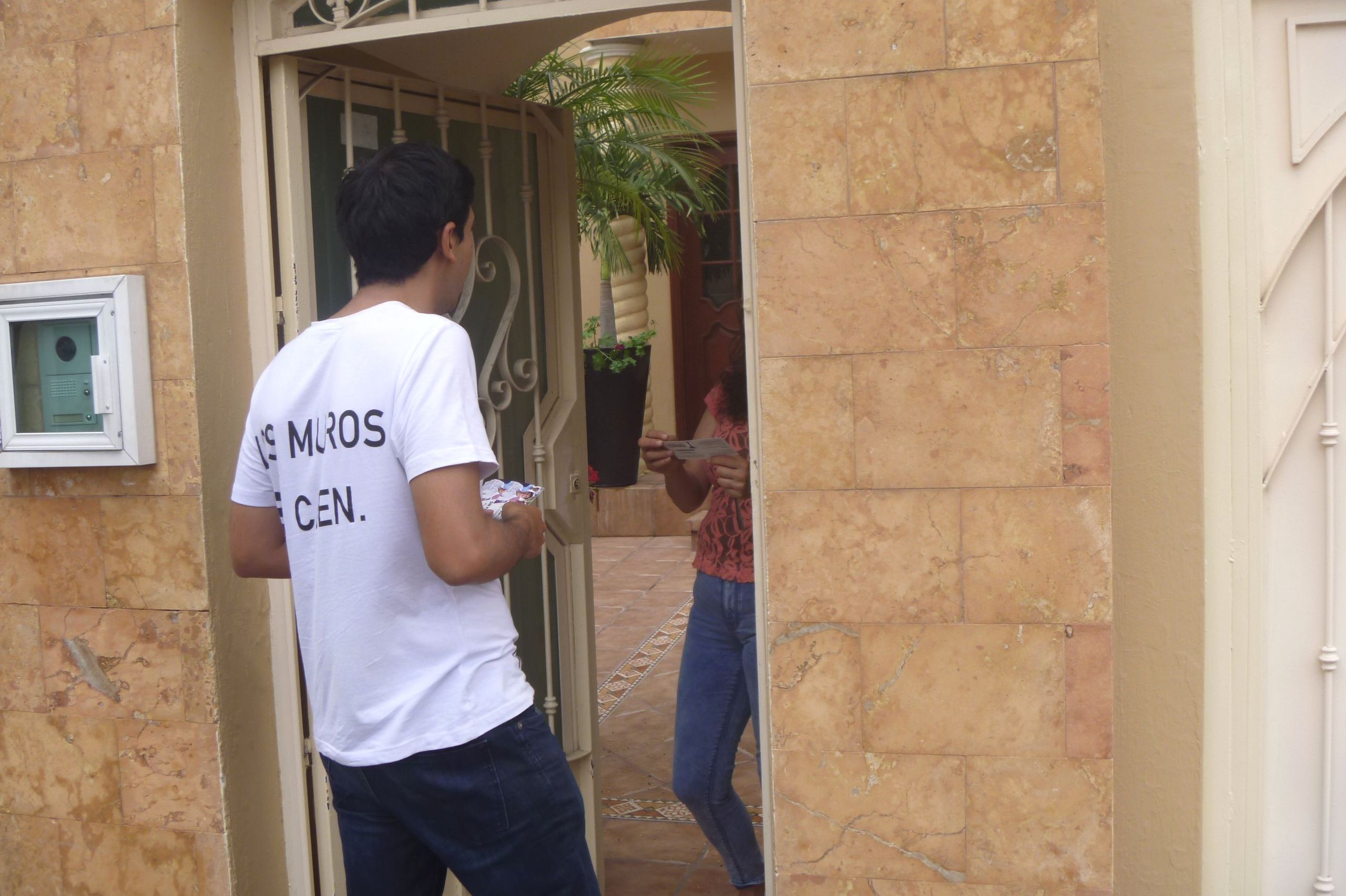
Pedro Kumamoto led a tireless grassroots campaign to become the first independent candidate elected to the Jalisco state congress.
Preliminary counts indicate that President Enrique Peña Nieto’s Institutional Revolutionary Party (PRI) is on course to retain a slim majority in the federal congress after Sunday’s midterm elections, but results in several local contests have shown that cracks are beginning to form in Mexico’s political establishment.
Jaime “El Bronco” Rodríguez was widely hailed for becoming the nation’s first independent governor by claiming the northern state of Nuevo León, although his outsider credentials have been questioned, because he previously served in the PRI for 30 years and unsuccessfully sought the party’s candidacy ahead of this year’s elections.
Arguably the most surprising and significant results came in the western state of Jalisco, where two relatively new political forces focused on enhancing transparency and civic engagement won historic victories…
Click here to read this article in full at Latin Correspondent.
Mexican reporters are in the firing line

Mexican journalist Karla Silva was brutally assaulted in her office in Guanajuato last year.
Ever since the Mexican government declared war on the nation’s drug cartels in late 2006, it has consistently been ranked among the world’s most dangerous countries for journalists.
The constant threat of retaliatory violence against reporters who cover drug cartel activity has led many newspapers to censor themselves. This, along with the social media boom, has fuelled a wave of citizen journalism, with many Mexicans now reliant on brave but anonymous bloggers for local security news.
According to government statistics, 102 journalists were murdered in Mexico from 2000 until April 2014. At least another eight professional journalists were reportedly murdered and two more went missing since then, bringing the total number of reporters that were killed or disappeared last year to at least 14.
There is often a clear link between reporters’ work and their fates. In an investigation into the murder of 28 journalists in Mexico, non-profit organisation Committee to Protect Journalists found that 82 percent had covered crime, 32 percent had covered corruption and 18 percent had covered politics.
Although drug cartels are believed to be behind most murders, the lines between organized crime and corrupt officials are often blurred. Press-freedom watchdog Article 19 noted last year that public officials were allegedly responsible for 59.3 percent of the 330 documented acts of aggression against journalists and media outlets in Mexico in 2013.
While foreign correspondents are very rarely targeted, most victims are reporters at local or regional newspapers. The killings are heavily concentrated in five of Mexico’s most lawless states: Chihuahua, Veracruz, Tamaulipas, Guerrero and Sinaloa.
With local outlets left with little recourse but to self-censor for their own safety, this has meant such areas become black holes for reporting. Citizen journalists have tried to cover the void through regularly updated blogs and social media accounts, but they too run huge risks.
Several bloggers have been murdered for writing about drug gangs in recent years, while “Lucy”, the mysterious female author of Mexico’s most read drug war site, Blog del Narco, has been forced into exile for her own protection.
Likewise, in late November, the anonymous administrator of Valor por Tamaulipas, a Facebook page with over 500,000 followers that provides security updates in the northern state, announced his retirement. The administrator, who had a price on his head courtesy of one of the cartels, said he was opting out for “personal reasons” although he has since resumed work on the site.
The previous month, one of his colleagues, María del Rosario Fuentes Rubio, had been kidnapped and murdered. Her killers published images of her blood-splattered corpse on her Twitter account and warned others not to follow her example.
That gruesome spectacle was typical of the way that killers have sought to achieve maximum exposure in recent years, whether by hanging mutilated bodies from public bridges or posting grisly execution footage online.
Despite such horrific setbacks, Valor por Tamaulipas and many other sites keep on bravely publishing the latest gory news. But with little protection from authorities that are either unwilling or incapable of guaranteeing their safety, the future looks bleak for Mexican bloggers and journalists alike.
This paper has been published in Index on Censorship, Vol. 44, Issue 1 by SAGE Publications Ltd, All Rights Reserved. ©
 The Tequila Files