
Cuauhtémoc Gutiérrez de la Torre was accused of hiring female staff in return for sexual favors.
Electoral authorities in Mexico City courted controversy this week by absolving a prominent member of the Institutional Revolutionary Party (PRI) of using public funds to run a prostitution network from his office.
An undercover investigation by MVS Noticias in April unearthed evidence that Cuauhtémoc Gutiérrez de la Torre, then the president of the PRI in Mexico City, had been hiring female staff in return for sexual favors.
But on August 25 the Electoral Institute of the Federal District (IEDF) ruled that there was insufficient evidence of wrongdoing on Gutiérrez’s part.
Six of seven general council members voted to acquit the politician. The only dissenter was the president of the council, Diana Talavera, whose proposal for further investigation was rejected.
Critics denounce impunity
Reacting to the IEDF decision, José Antonio Crespo Mendoza, a historian and political analyst from the CIDE university, condemned the level of impunity in Mexico: “Our institutions do not hold violators of the law accountable. Accountability is an essential element of democracy … but we are lacking this essential capacity.”
Teresa Ulloa, the Mexican director of the Coalition Against Trafficking in Women in Latin America and the Caribbean – who said she had been harassed after presenting evidence against Gutiérrez – slammed the verdict as “shameful.”
Click here to read this article in full at Latin Correspondent.
Mexican breweries declare a beer revolution
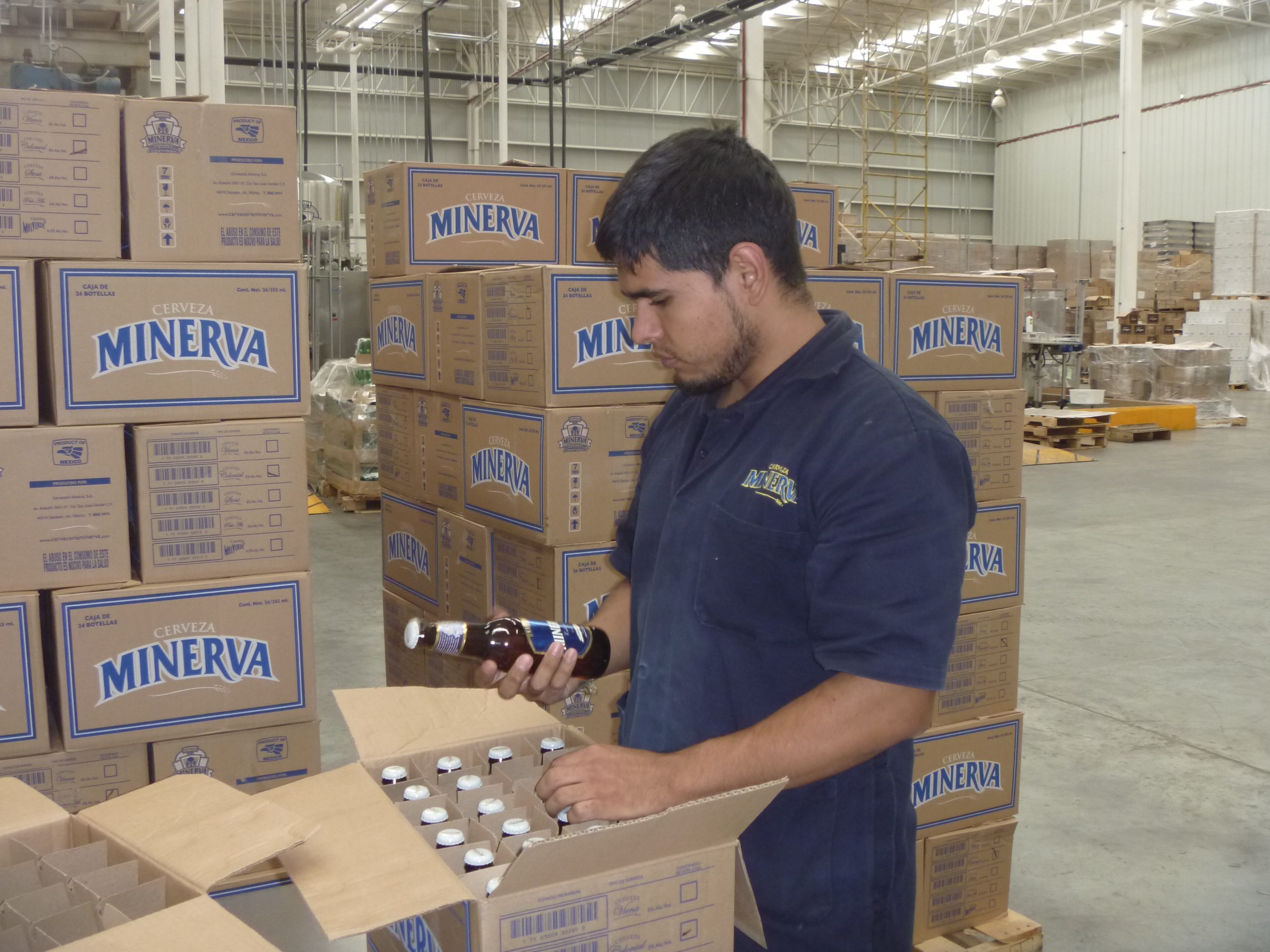
Founded in 2004, Cerveceria Minerva is now one of Mexico’s biggest independent breweries.
Like many sectors of the national economy, Mexico’s beer industry has long been dominated by a powerful duopoly. But a flourishing craft beer movement led by independent microbreweries is showing signs of finally forcing open this lucrative market.
Since assuming office in December 2012, the Enrique Peña Nieto administration has passed major reforms to combat monopolies and foster greater competition in key industries such as energy and telecommunications. Mexico’s beer industry, which is worth approximately $20 billion a year, according to government figures, is also experiencing significant change.
The world’s sixth largest producer and consumer of beer, Mexico brews over 8.6 billion litres annually, while the average Mexican drinks 62 litres per year. But two dominant breweries, Grupo Modelo and Cuauhtemoc-Moctezuma, control 98 percent of the market, according to a U.S. Department of Agriculture report from 2013.
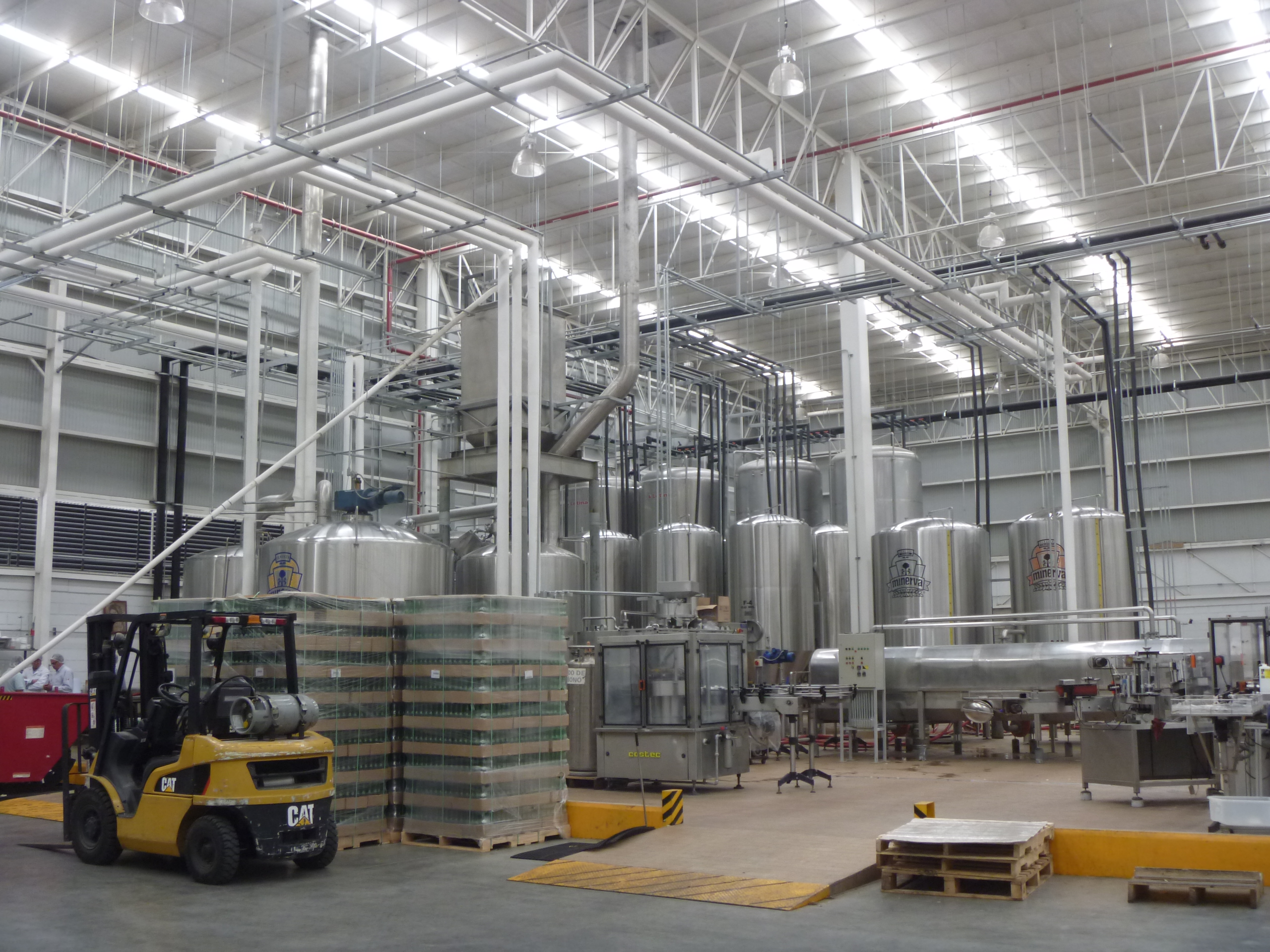
Production at Minerva’s factory totaled 1.1 million liters last year. The goal for 2014 is 1.5 million.
Microbreweries account for less than one percent, although their combined market share is growing rapidly by 50 to 60 percent a year.
Breaking the mould
“When we started out 10 years ago the market was completely closed. The only beers that existed were those of Modelo and Cuauhtemoc-Moctezuma,” Jesus Briseño, the tall, middle-aged founder of Guadalajara’s Minerva brewery, told Al Jazeera.
Minerva, which proclaims itself the leader of Mexico’s “beer revolution,” sought to shake up the industry by encouraging Mexicans to embrace new styles of beer, while forcing open the market through legal action. The latter path led to a federal decree in 2013 limiting the duopoly’s use of exclusivity contracts which prevent most bars, stores and restaurants from selling rival beer brands…
Click here to read this feature in full over at Al Jazeera.
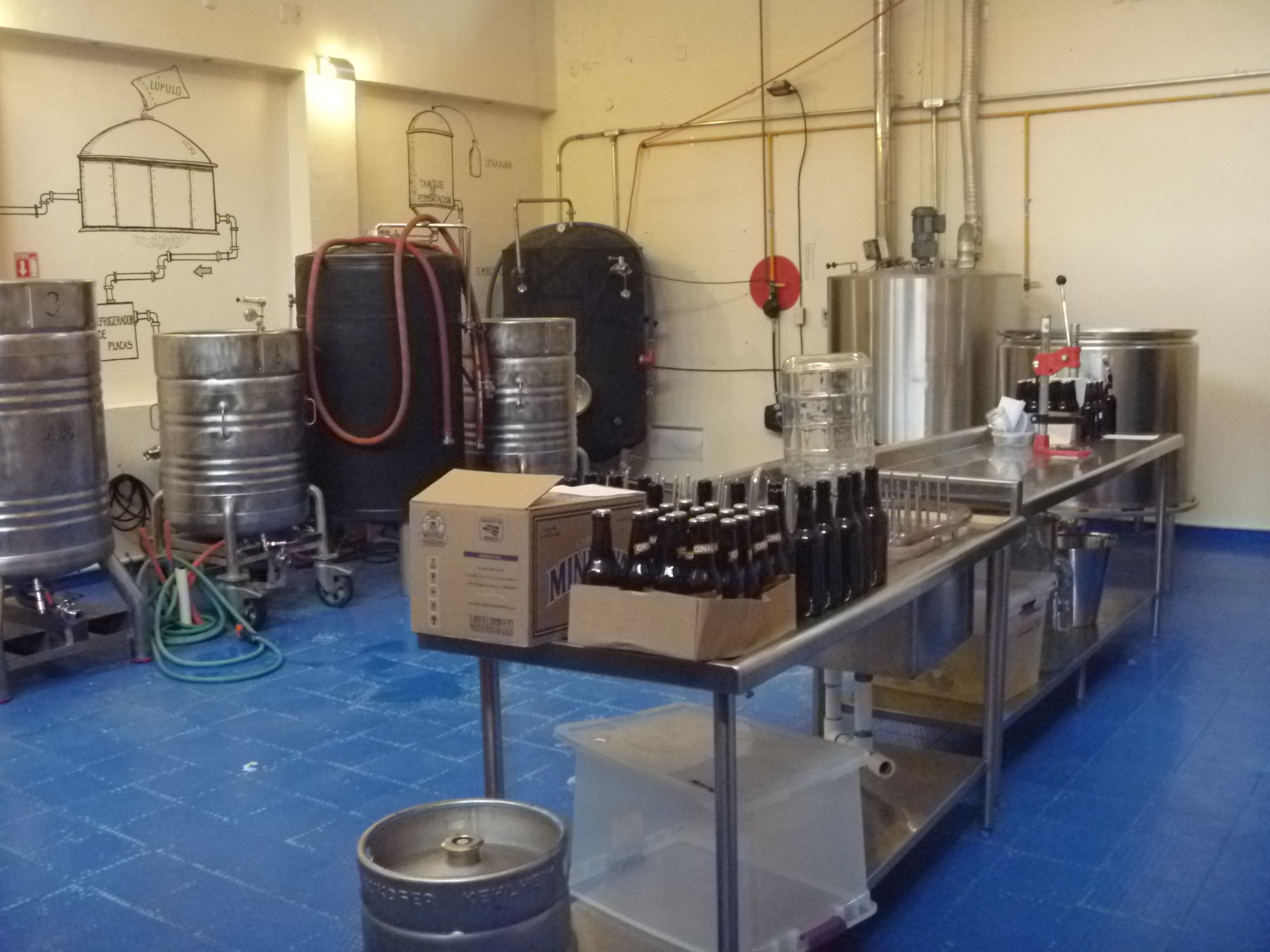
Run by German expat Petra Kittel, Guadalajara’s La Blanca microbrewery produces a range of excellent wheat beers.
Mexican court order suspends flooding of Temacapulin
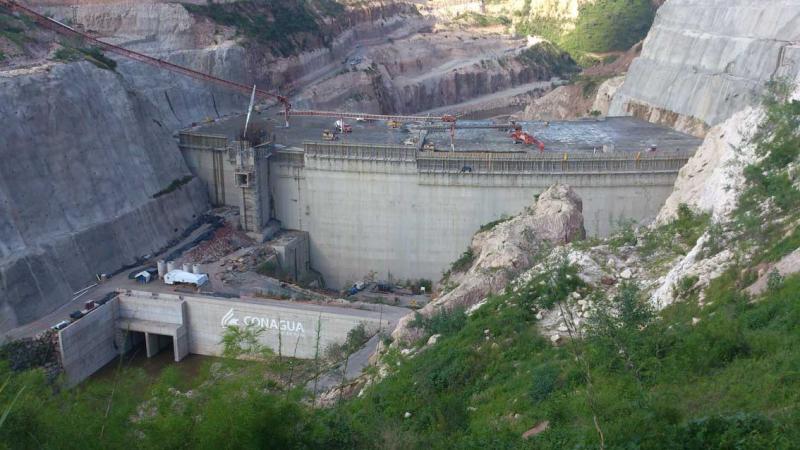
If built to the intended height of 105 meters, the Zapotillo dam will flood the towns of Temacapulin, Palmarejo and Acasic.
A district court in western Mexico has suspended the federal government’s controversial plans to flood the town of Temacapulín by raising the height of a nearby dam.
The August 14 ruling prohibited Mexico’s National Water Commission (Conagua) from raising the Zapotillo dam from 80 to 105 meters because this would leave Temacapulín and the smaller villages of Palmarejo and Acasic beneath the banks of the Rio Verde.
Conagua has vowed to respect the ruling but said it remains confident that any legal obstacles will be overcome and that the dam will still be built to the original specification of 105 meters.
Raising the dam to this height would create a reservoir of 900 million cubic meters. Around 80 percent of this water would used to supply the nearby city of Leon, with the remainder split between Guadalajara and the Los Altos de Jalisco farming region.
Local resistance
Located in the western state of Jalisco, Temacapulín is home to around 500 inhabitants, many of them indigenous Mexicans.
In order to press ahead with the project, the federal government wants to relocate displaced residents to Nuevo Temacapulín, a new settlement where it has built more than 30 homes.
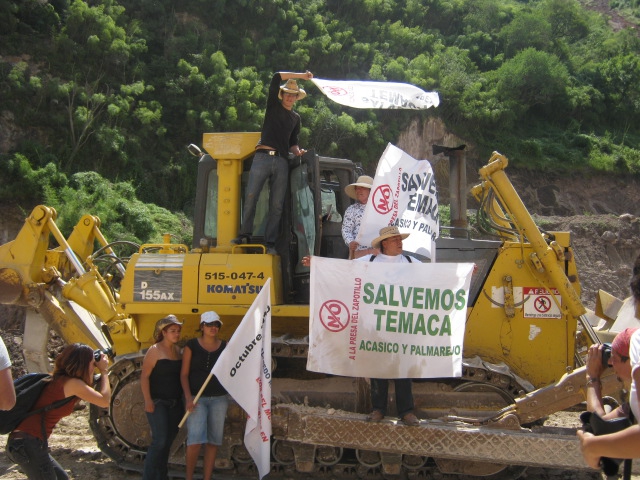
Local residents have campaigned fiercely to save their communities.
But the government plans have been met with fierce resistance. Many locals have complained that their human riots are being violated because they are being forced to leave their homes and lose their jobs…
Click here to read this story in full at Latin Correspondent.
 The Tequila Files