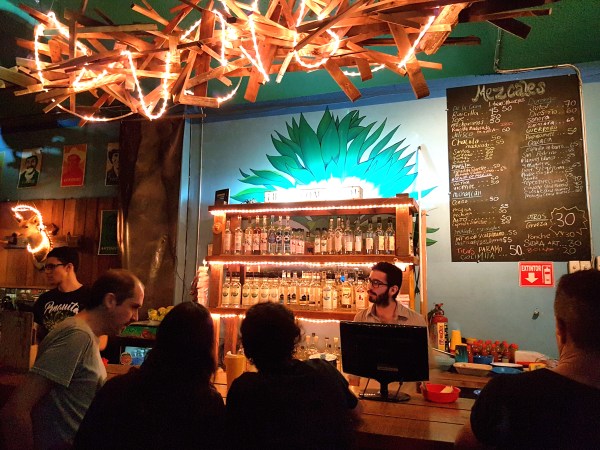
Pare de Sufrir is Guadalajara’s best mezcal bar.
Far from Mexico’s well-trodden tourist trail, the colonial city of Guadalajara is one of this vast nation’s most overlooked destinations. In the western state of Jalisco, Guadalajara is Mexico’s second-largest metropolis, and the birthplace of two of its most emblematic exports: tequila and mariachi music. It is sunnier and less overwhelming than Mexico City, while offering better value for money and a more “Mexican” experience than gringo-orientated resorts of the Yucután peninsula.
Proud Tapatíos, as Guadalajara’s 4.5 million residents are known, take hospitality seriously and love to showcase the very best of their culture. The city’s historic centre houses its most obvious attractions, such as the twin-towered cathedral and the labyrinthine Mercado San Juan de Dios, Latin America’s largest indoor market. The stately Hospicio Cabañas, a former orphanage with fiery murals by José Clemente Orozco, is Unesco-listed and worth a visit, along with the Zapopan district’s imposing stone archway and majestic 17th-century basilica.
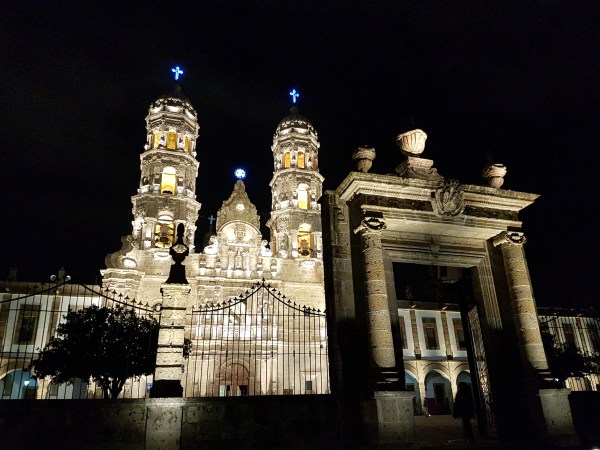
Guadalajara is home to several spectacular cathedrals and basilicas.
Once considered one of Mexico’s most Catholic and conservative cities, Guadalajara has grown increasingly progressive and is now famed for its gay scene. Its cultural heart today is lively Colonia Americana, with its weekend street markets and free concerts held on broad avenues lined with palms, jacarandas and colonial mansions.
Every turn reveals more bars, cafes and restaurants that combine to make Guadalajara’s culinary scene arguably its strongest selling point. From humble taco stands to high-end establishments, visitors can gorge on a broad range of traditional dishes and strange beverages that are often unique to this corner of the country.
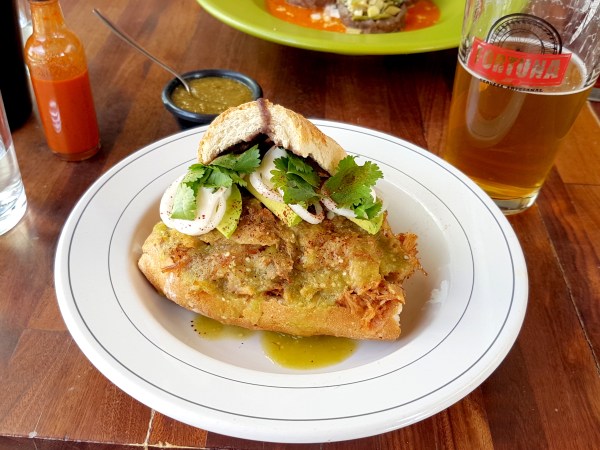
Palreal is famed for its delicious lonche de pancita.
Thomson flies direct from Gatwick and Manchester to the nearby resort of Puerto Vallarta from under £500 return, with some real bargains to be had if booked last minute. Guadalajara also serves as a cultured and palate-pleasing excursion from Mexico’s lush Pacific coast…
Click here to read this travel guide in full at The Guardian
Santa Muerte: The rise of Mexico’s folk saint of death

Father Daniel Santana’s Mass at the Santa Muerte temple follows traditional Catholic patterns.
With readings, hymns and communion, Daniel Santana’s Sunday service could pass for a traditional Catholic Mass, if it were not for the cloaked skeletons and skulls that surround him.
The ceremony takes place at a modest temple to Santa Muerte, the Mexican folk saint of death, in a rundown area of Guadalajara, the nation’s second biggest city.
Despite a reputation as a death cult for criminals and drug traffickers, Santa Muerte has surged in popularity and taken on an increasingly prominent and polemic role in the Day of the Dead festivities held every 1 and 2 November.
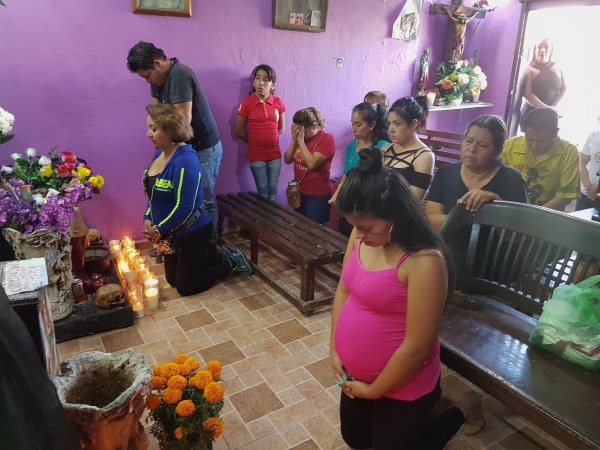
Santa Muerte is popular among marginalised groups like migrants and the LGBT community.
Also known as the Bony Lady, the followers of Santa Muerte say her appeal lies in her non-judgemental nature and her supposed ability to grant wishes in return for pledges or offerings.
“It’s a widely misunderstood faith. It’s not a satanic Mass,” says Mr Santana, a lifelong devotee who has officiated at Santa Muerte temples across Mexico since 2010.
“She gives people what they want and when they finish their cycle of life here on earth she comes for their souls,” Mr Santana adds. “She’s just fulfilling God’s orders.”

A Santa Muerte devotee since she was a child, Isabel asked the priest to bless her unborn daughter.
Reclaiming the Day of the Dead
According to Andrew Chesnut, author of Devoted to Death: Santa Muerte, the Skeleton Saint, this is the fastest growing religion in the Americas, with an estimated 10 to 12 million followers worldwide.
Mr Chesnut says more and more devotees have started incorporating Santa Muerte into Day of the Dead celebrations over the past five years.
Although many Mexicans see no connection between the two, both are thought to stem from Mictecacihuatl, an Aztec goddess who presided over a festival of death every August…
Click here to read this feature in full at the BBC
Mexican comedian brings stand-up to female prisoners
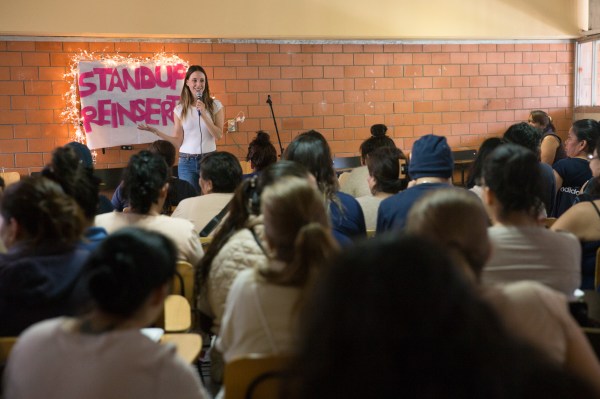
Sofía Niño de Rivera in a standup workshop behind bars (photo by Yara Cavazos)
Best known for her Netflix shows and stand-up tours, Sofía Niño de Rivera is one of Latin America’s leading comedians.
The 35-year-old from Mexico City has long been making audiences laugh, but she recently embarked on a more serious mission: supporting vulnerable women in Mexico’s notoriously dangerous prisons.
In a bid to help female inmates overcome frustration and depression, Sofía gave 10 stand-up workshops in the Mexican capital’s vast Santa Martha Acatitla penitentiary over the summer.
The project came about after her cousin, Saskia Niño de Rivera, asked her to do a benefit gig to raise funds for Reinserta, a charity she runs to improve conditions in Mexican jails.
The comedian accepted but wanted to do more than just raise money. They agreed that stand-up workshops could help inmates to use comedy as an emotional release for the benefit of their mental health…
 The Tequila Files