Mexico hopes its famous chorizo can win over Donald Trump
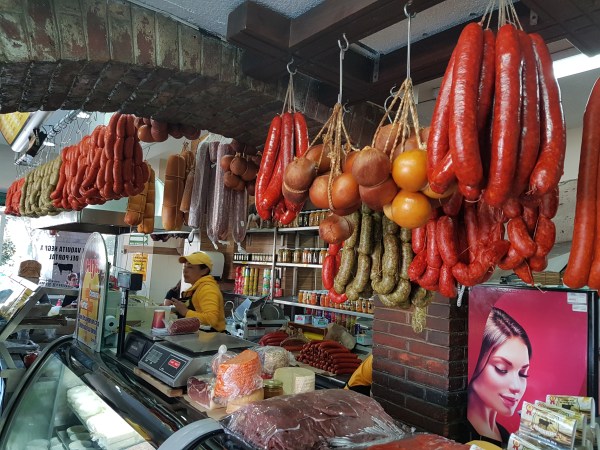
Founded by a Spanish refugee, La Vaquita Negra del Portal is one of Toluca’s oldest chorizo vendors.
When Barack Obama visited the Mexican city of Toluca for the North American Leaders Summit in 2014, he lamented that he didn’t have time to try the “legendary” local chorizo.
“Hopefully next time I stop by, I’m gonna be able to have some of that,” Obama said as he thanked his Mexican counterpart Enrique Peña Nieto for his “extraordinary hospitality”.
Relations between both countries have since deteriorated, but Mexico’s government may have come up with a cunning plan to win Donald Trump over.
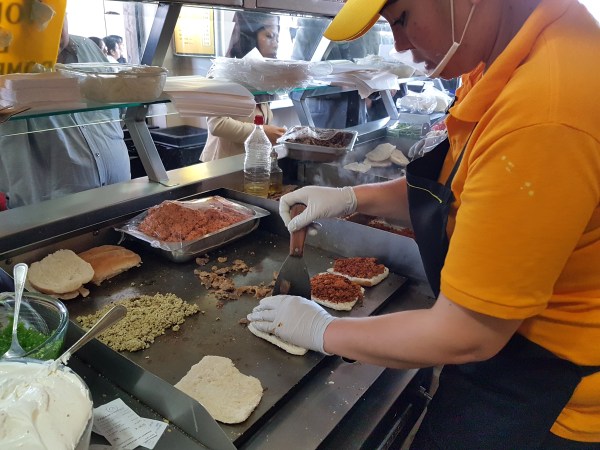
Toluca’s famous chorizo comes in many different varieties and is often enjoyed in tortas.
We know Trump loves a taco bowl, but could a taste of more traditional Mexican cuisine change his mind about his southern neighbors?
Mexico’s Secretary of the Economy, Ildefonso Guajardo, thinks so. “We mustn’t lose hope,” he joked ahead of the NAFTA renegotiations that began last week. “President Obama never tried chorizo from Toluca, but we can offer it to President Trump.”
With Mexico’s future prosperity seemingly hanging in the balance, I decided to visit Toluca to find out why its chorizo is the source of such great national pride…
Mexican muralists transform violent neighbourhoods in Pachuca
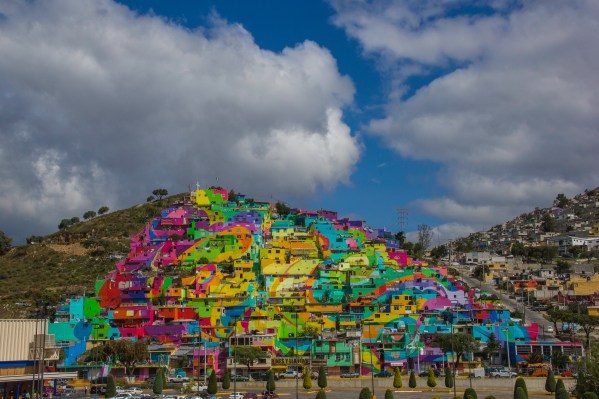
Covering 40,000 m2, the mural will be the biggest of its kind in the world. (Photo by Germen Crew)
For many years the rundown Palmitas neighbourhood that overlooks the Mexican city of Pachuca was a hive of delinquency.
The drab homes and dimly lit streets that hugged the steep hillside were rife with drug addiction, theft and domestic violence.
Now proudly bathed in kaleidoscopic colours, the area stands as an example of how to transform marginalised neighbourhoods across Latin America.
Government-funded muralists have turned the hillside into a giant work of art, while helping locals to find employment opportunities and develop a sense of community.
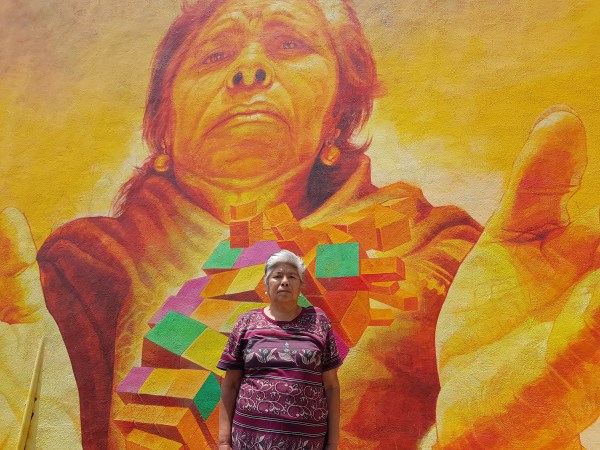
The graffiti artists painted several iconic portraits of local community members.
“The neighbourhood changed completely. The colours gave it life,” says Doña Chela, a local pastry chef.
“There used to be a lot of robberies and people drinking on the streets all the time. That happens much less now.”
Pachuca’s paint job
Located 88km (55 miles) north east of Mexico City in Hidalgo state, Pachuca is best known as a former hub for Cornish miners who introduced football and pasties to Mexico in the 19th Century.
The city has been spared the worst of the cartel violence that has plagued Mexico in the last decade but petty crime has been a consistent problem, particularly in hillside slums like Palmitas.
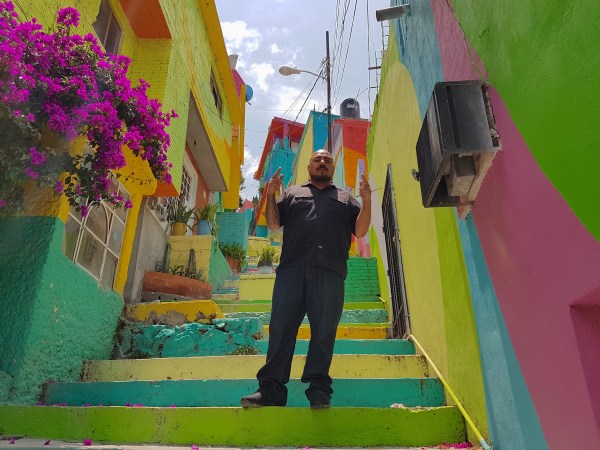
The project is led by former gang member Enrique Gómez.
This has begun to change since a team of graffiti artists known as the Germen Crew painted 200 houses here in 2015.
Viewed from afar, the homes fit together to form swirling patterns inspired by Pachuca’s nickname, “La Bella Airosa” (The Windy Beauty).
Closer inspection reveals finer details among the labyrinth of stairways and alleyways, including several iconic portraits of local residents.
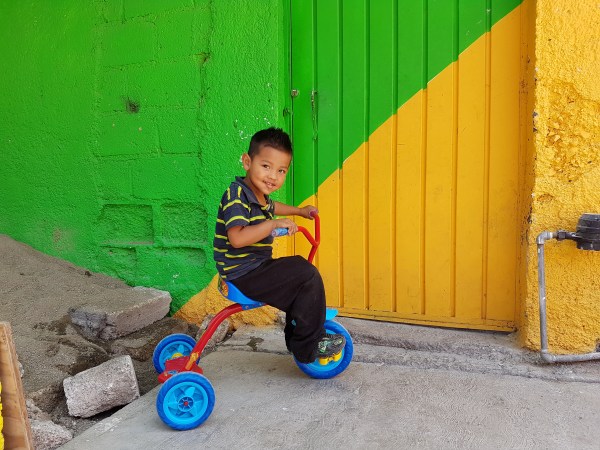
Gómez hopes the project will help keep local youths away from a life of crime.
The muralists are now painting another 300 homes in the adjacent Cubitos neighbourhood.
Known as the Macro Mural, the project is due for completion in November.
Organisers say it will cover 40,000 square metres, making it the world’s largest mural of its kind…
Click here to read this feature in full at the BBC
Mexico’s biggest soccer legend accused of laundering drug money
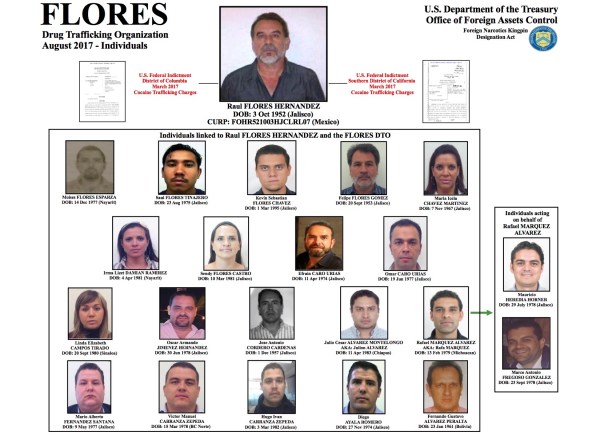
The US government sanctioned Rafael Márquez and nine businesses that are linked to him.
Mexicans were shocked to see a familiar scourge taint a national hero’s image on Wednesday, when the U.S. government accused soccer legend Rafael Márquez of laundering money for a drug cartel.
Having won four La Liga titles and two Champions Leagues with Barcelona, plus more than a dozen other trophies during a career that has stretched over two decades, Márquez is Mexico’s most successful soccer player of all time. The veteran defender has captained Mexico in a record of four World Cups and was in line to lead them into a fifth next year.
A respected leader on and off the field, Márquez is also known for his charity work with disadvantaged youths. In a country stained by cartel violence and political corruption, he is a hero to millions and a symbol of national pride.
But according to a multi-year investigation involving several U.S. and Mexican agencies, even Márquez is not immune to the reach of Mexico’s many drug cartels.
The Treasury Department’s Office of Foreign Assets Control (OFAC) sanctioned Márquez and 21 others under the Foreign Narcotics Kingpin Designation Act for their links to a vast but little-known criminal network run by Raúl Flores Hernández.
In what it described as the largest single action it had ever taken against a Mexican cartel, OFAC also blacklisted 42 businesses, including nine linked to Márquez. All but one are located in the western city of Guadalajara, where the veteran star is currently playing for his boyhood club Atlas…
 The Tequila Files