17 mutilated bodies dumped near Michoacan border
Tipped off at 4 a.m. by an anonymous caller, police from Tizapan El Alto discovered 17 mutilated bodies dumped at a farm just off the Guadalajara-Morelia highway on the Jalisco side of the border with Michoacan.
The victims were all men aged between 25 and 50. Jalisco Attorney General Tomas Coronado Olmos said their bodies were left naked, with chains tied around their necks and signs of beating and mutilation.
Medical examinations revealed the men died of gunshot wounds to the head, while the corpses’ varying states of decomposition suggest the killings took place from 24 hours to seven days earlier. Authorities believe the killings occurred in Michoacan before the bodies were brought across the state border.
The State Attorney General’s Office (PGJEJ) identified six of the victims on Monday as Mexican citizens. They included a former soldier in the Mexican Army and five men with criminal records.
No documentation was found on the victims, although 11 of the men had tattoos with references to death and firearms, suggesting gang membership.
Dozens of Tizapan residents visited Guadalajara’s Forensic Medical Institute this week to check whether missing relatives were among the victims, although no matches have been confirmed to date.
Coronado did not speculate as to who was responsible for the massacre, noting only that “our border regions with other states are vulnerable to this kind of action and the dumping of bodies.”
Tizapan el Alto was also the scene of a shootout between gunmen and municipal police last Monday. Two people were killed and two more wounded in the firefight which began after an attempted kidnapping.
Peace caravan highlights problems north of the border
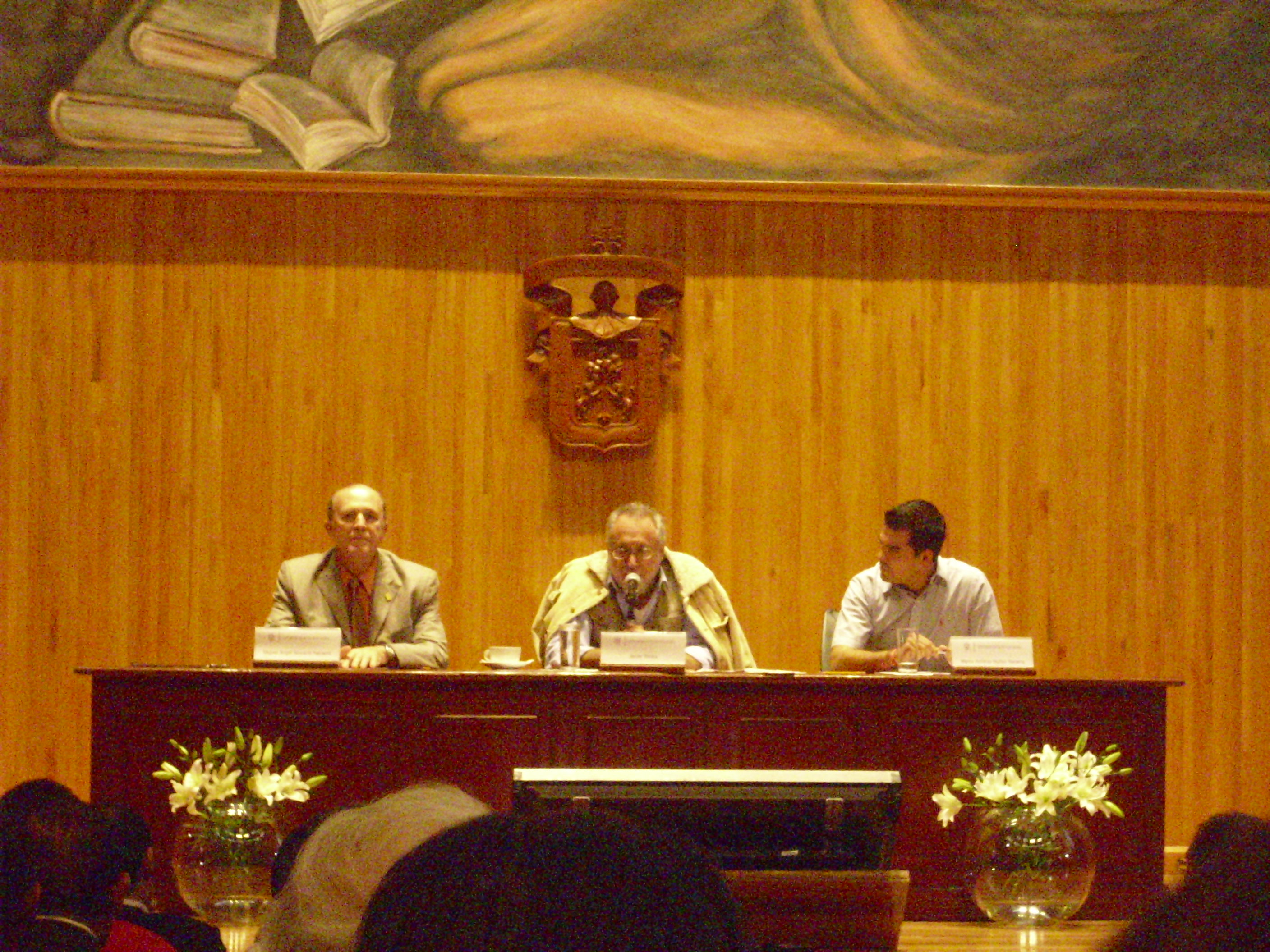
Having traversed Mexico, Sicilia’s peace caravan embarked on a voyage across the United States, beginning in San Diego on August 12 and ending in the nation’s capital on Wednesday. The convoy of two buses and a number of cars took in 27 cities, mostly along the U.S.-Mexican border, on its 6,000-mile journey.
The 120 people who comprise the caravan protested outside the White House on Monday before moving on to a rally in Washington’s Freedom Plaza. The aim of the tour was to promote dialogue with U.S. civil society and the government in five areas crucial to reducing drug violence: drug war policies, arms trafficking, immigration, U.S. foreign policy and money laundering.
Around 60,000 people have been killed, 10,000 have disappeared and over 160,000 have been displaced since President Felipe Calderon declared war on the nation’s drug cartels in December 2006. An outspoken critic of Mexico’s drug war, Sicilia became a prominent figure in the peace movement following the murder of his 24-year-old son Juan Francisco in Cuernavaca last year.
“I came to the U.S. because this is a shared problem and we have to work together to save our dignity, our democracy and our children,” Sicilia said this week. “I won’t get my son back but I don’t want more parents or children to suffer the way we have suffered.”
Throughout their journey across America, Sicilia and his supporters have engaged in several stunts to raise awareness of the issues at hand.
At a gun show in Pasadena, Texas they purchased a .357 Magnum pistol and an AK-47 assault rifle with minimal background checks in a matter of minutes, demonstrating the ease with which deadly weapons can be bought north of the border before being smuggled into Mexico. Upon arriving in Houston, the caravan participants destroyed the two guns in a symbolic protest against the fact that the majority of firearms traced from crimes in Mexico were sold in the United States.
In New York late last week, the movement’s focus shifted to money laundering. Marching through the city’s financial district, the demonstrators struck a resonate chord as they identified those who launder billions of dollars of drug money for Mexico’s cartels as the same “one percent” whom Occupy Wall Street protesters blame for America’s economic inequality.
“In this bank, they launder money,” Sicilia declared outside a branch of HSBC, the British bank recently singled out in a U.S. Senate committee for laundering billions of dollars linked to criminal gangs in Mexico.
Sicilia entered the branch and tried to open an account with dollar bills stained in red paint. Promptly escorted from the premises, he tossed the blood money on the sidewalk, before moving along Wall Street to the New York Stock Exchange, “a symbol of the finance capital that launders money.”
Due to return to Mexico soon, Sicilia is a leading advocate of the Victims’ Law, currently stalled in Congress after a veto by President Calderon, which would oblige the government to compensate victims of organized crime and their families.
Before leaving the United States, Sicilia again questioned the policy favored by both Calderon and Washington: “If Calderon had treated drug abuse as a question of public health rather than a matter of national security, might my son and his friends still be alive today? If instead of declaring war on drug trafficking, Calderon had pursued a bilateral agenda with the United States to decriminalize drugs and regulate their use, is it possible that they and tens of thousands of other young people killed in the last six years would be still be with us?”
Thousands of cops deemed ‘untrustworthy’
So far, 45,633 police officers across Mexico have failed to clear the checks. Of these, 51 percent were from state police forces, 36.4 were municipal officers and 12.5 percent were federal agents.
In Guadalajara, 39 of 97 municipal police officers screened by the National System of Public Security (SNSP) to date have failed to clear the check. Some failed drug tests but the majority were penalized for being unable to explain how they were living lifestyles beyond the means of a police salary.
All of Mexico’s federal police have now been evaluated but less than half of the country’s state and municipal police cops have been checked. In Jalisco, only 15 to 25 percent of officials have been screened to date.
Luis Carlos Najera Gutierrez, the head of the State Public Security Agency (SSP), estimates that at least 30 percent of state and municipal officers in Jalisco may have to be dismissed.
The proportion of acceptable applicants to work in the police is even lower, with just 15 percent of aspiring officers clearing background checks in Jalisco.

