Circus ban ignites animal rights debate in Mexico

Big Yorgi is a $50,000 robotic elephant built to pre-empt the ban on circus animals.
Hailed as the main attraction of the Magic Spacial Cyber Circus in Guadalajara, “Big Yorgi” the elephant duly shuffled onstage, curled his trunk in the air and booted a few footballs into the sparse crowd. Then, with a solemn blink of the eye, he retreated backstage.
Mexico’s Congress passed a bill outlawing circuses with animals across the entire country on Thursday, but this performance offered a glimpse of the future given that Big Yorgi is a $50,000 robotic elephant built to pre-empt the new law.
The star of the show was preceded by jugglers, acrobats and dancing girls. Yet, judging by the rows and rows of empty seats, a circus without live animals has diminished appeal in Mexico.
“The circus is dying,” said Edwin, one of the Magic Spacial Cyber Circus directors who declined to give his surname in order to “avoid problems”.
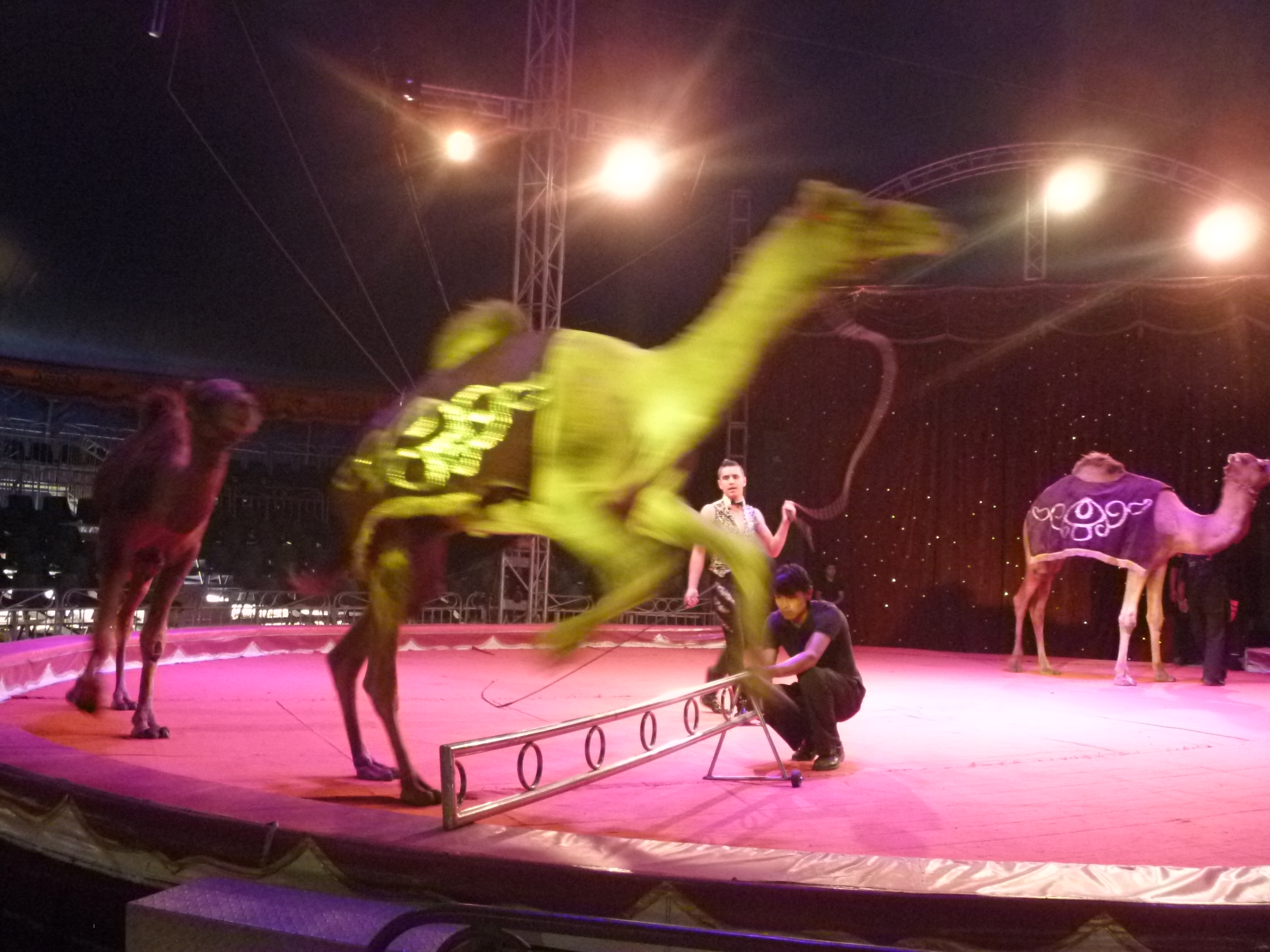
“We don’t know what we’ll do with the animals. We can’t just abandon them but no one wants to buy them,” said Union Circus owner Walter Fuentes.
A former soldier with 23 years of experience handling and collecting circus animals, Edwin said Big Yorgi does not compare to live specimens and lamented that he is no longer allowed to showcase his menagerie across Mexico…
Click here to read this feature in full at Al Jazeera.
Scientists question Mexican government account of missing students’ fate
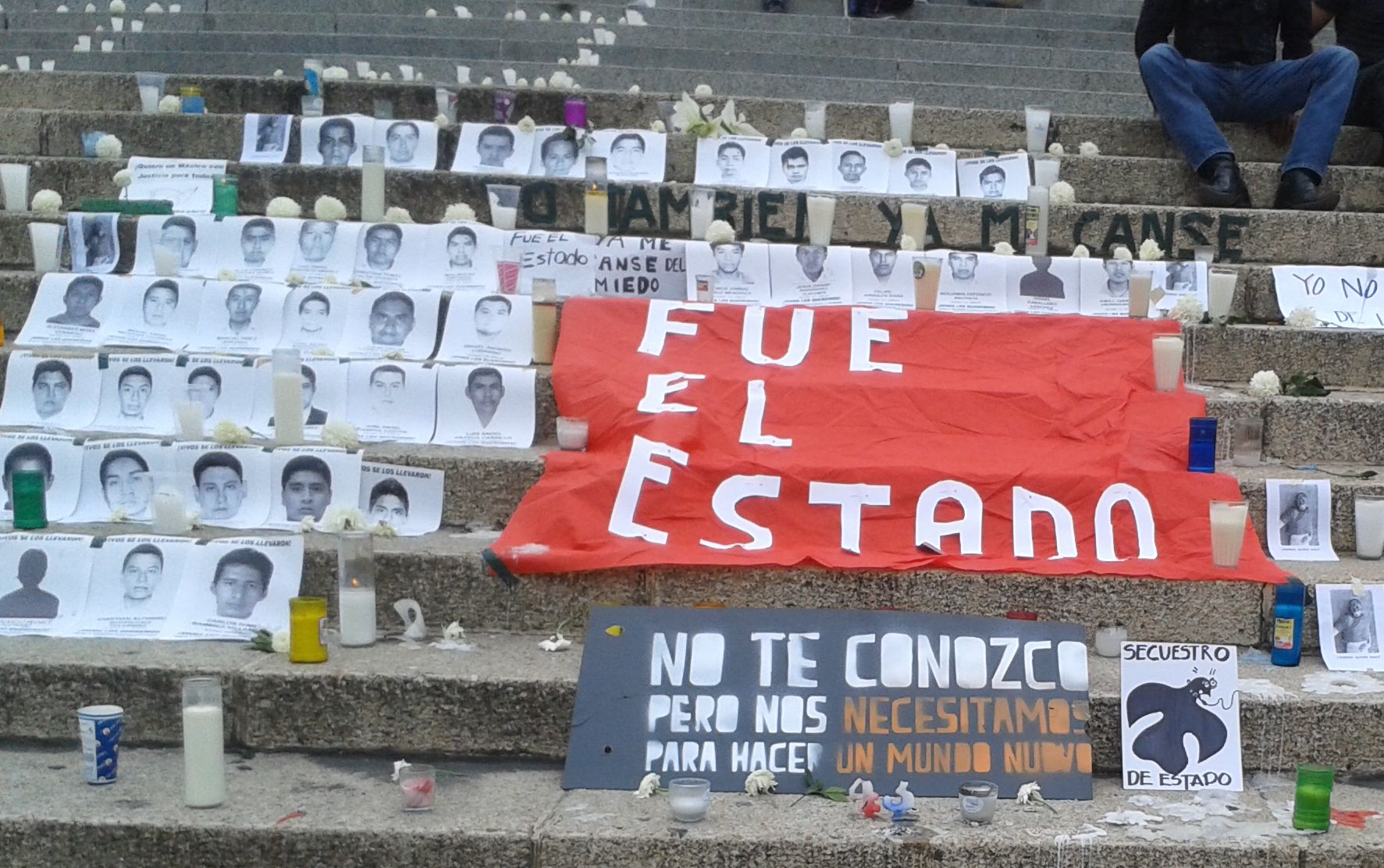
Serious questions remain over the level of state involvement in the disappearance of the students.
The news that Mexico had been dreading finally came on Saturday: a team of Argentine forensic scientists had identified the remains of 19-year-old Alexander Mora, one of 43 students abducted by police officers in the town of Iguala in late September.
The clearest indication to date that the students were massacred, the identification was made from a fragment of charred bone that the Mexican government claims to have recovered from a river in the neighboring municipality of Cocula.
Citing the testimony of three suspects, the government says members of the Guerreros Unidos drug gang killed the students at a nearby landfill site, then burned their bodies and threw the ashes in the river.
However, many students’ families do not believe the official account of events. They suspect that the government planted Mora’s remains by the river in order to corroborate the detainees’ testimony.
The independent forensic experts from Argentina also cast doubts on the government version this week, stating that they could not verify the claim that Mora’s ashes were recovered from a bag found by government investigators in the river. The forensic scientists said they were not present when the discovery was made and noted that the only evidence connecting the remains to the river and the landfill site was the testimony of the arrested gang members…
Click here to read this feature in full at Latin Correspondent.
Investigators identify remains of one of Mexico’s 43 missing students
Following on from my live television debut last month, I went to Sky News again on Saturday to discuss the latest developments in the case of Mexico’s 43 missing trainee teachers. Shortly before I went on air it was revealed that independent forensic scientists had identified the remains of one of the missing young men, 19-year-old Alejandro Mora, from a tooth and a fragment of bone. The search for the other 42 continues.
 The Tequila Files