From Glastonbury to Guadalajara
So, now that uni is done and dusted, I’m moving back to Mexico to work for the Guadalajara Reporter. That’s right, a proper job. Who’d have thought it?
Not me. I only heard about the opening about a fortnight ago and it still hasn’t really sunk in yet.
Its been a pretty hectic week or so, with me swanning about from one eleven-lettered destination beginning with G to another. In between there was the small matter of picking up my university results and saying goodbye to all of my friends and family.
The dust is only just beginning to settle on four years of university life. Warwick is a strange bubble of a place, where I’ve had a great time and made some awesome friends. But I’ll definitely miss the people more than the place. The West Midlands is not the most exciting corner of Britain, the union was a shambles, and I can’t say I’m a fan of the university’s eagerness to privatise higher education, nor its role as a primary advocate of the insane new £9,000 tuition fees. Personally I reckon the £26,000 I currently owe is quite enough already thanks.
I did love my course though. Good old Comparative American Studies (CAS), a renegade department leading a heroic last stand against the bureaucratic, business orientated university that Warwick has become.
If Carlsberg branched out into higher education, not only would they dish out an appropriately painful death to Michael Gove, but they’d also come up with a degree like CAS, or “The History, Literature and Culture of the Americas” – as it’s been snappily renamed. Founded in the 70s by a bunch of hippie academics, CAS is Warwick’s top rated course and further education’s best kept secret (half of us didn’t even apply to do it, we just somehow ended up there). It’s also the highest ranked American Studies degree in the UK (which admittedly doesn’t really say much) and consistently receives full marks out of 100 in the Guardian’s university league tables.
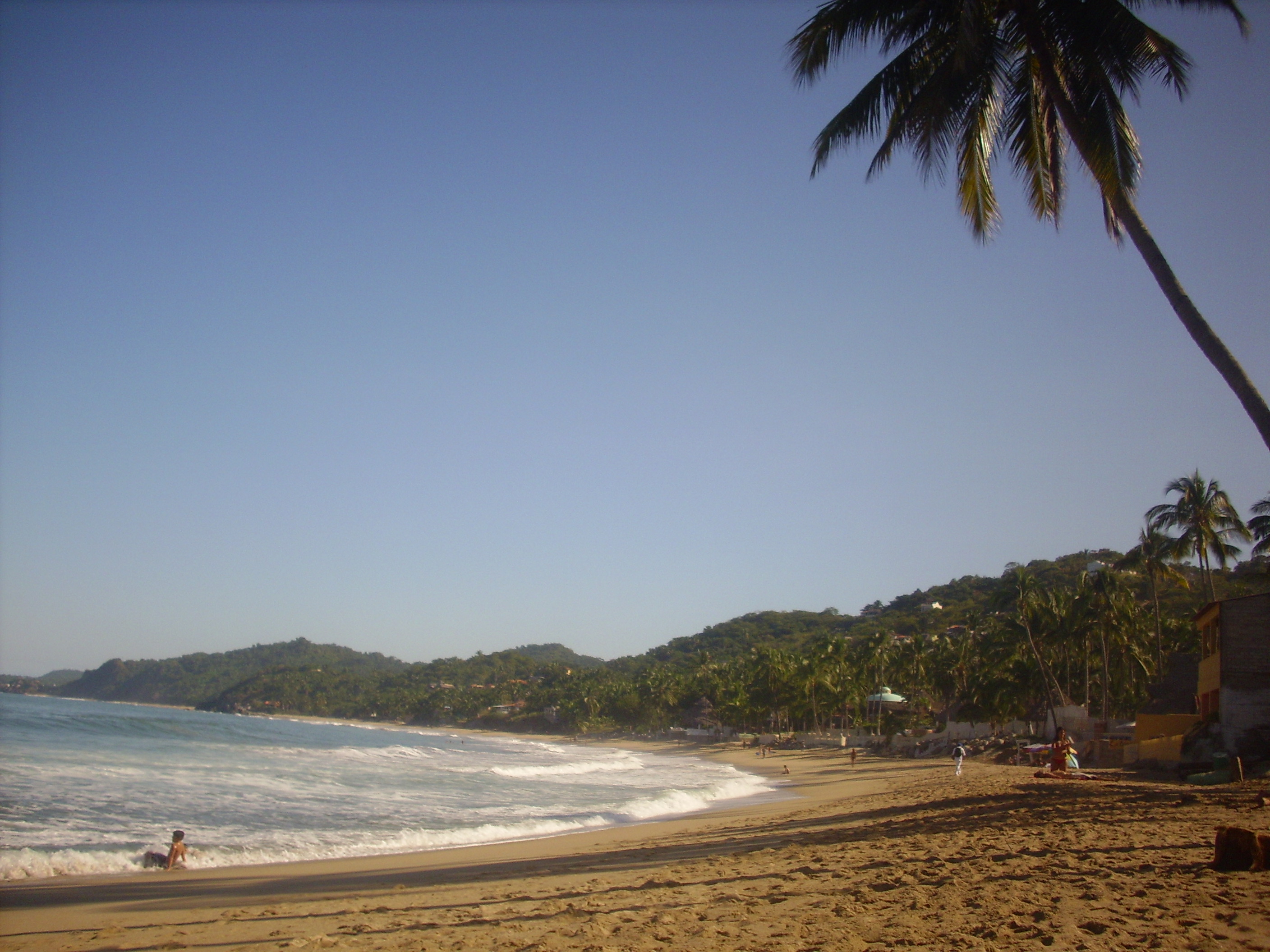
More importantly, it includes a mandatory year abroad, in such far-flung hell-holes as New York, California, Mexico, Argentina, or even the Bahamas. Throw into the mix the minimal contact hours and laid-back lecturers who bring tequila to seminars, play Bob Dylan in lectures, spend half their time discussing football, and set essay questions on The Beatles, Vietnam war films & 1960s drug culture – and you have one hell of a degree.
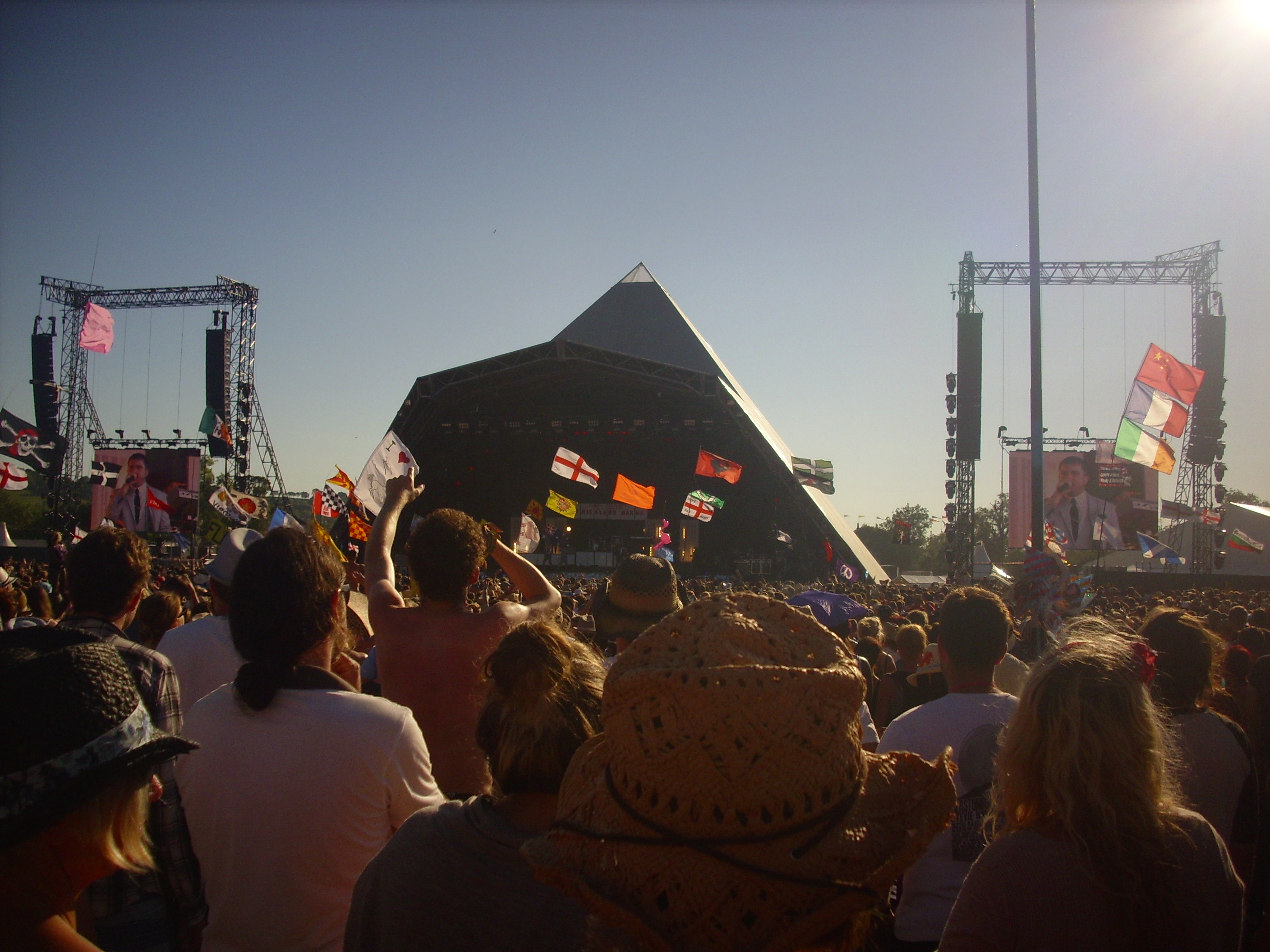
I managed to come out of it with a first, which was nice – although I was neither mentally or physically capable of processing this result, coming as it did last Monday, immediately after five days of madness at the biggest and best festival in the world, ever.*
 *This may or may not actually be true, I haven’t looked it up.
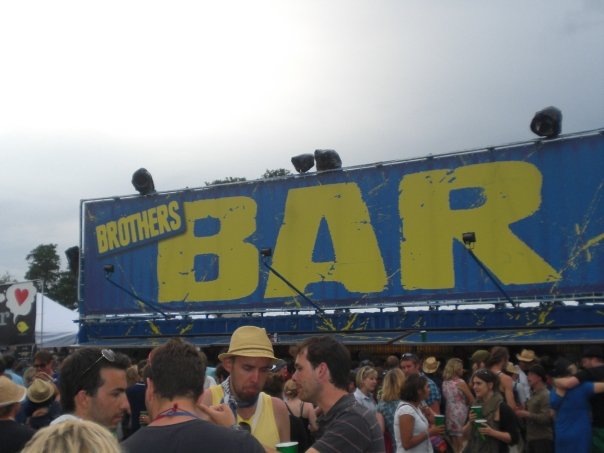
Highlights included: the moment it first stopped pissing it down on Wednesday afternoon; the discovery of Sainsburys brand port as the perfect festival drink; the legendarily potent Brothers cider; the surreal, dystopian techno-hippie nightmare that is Shangri-La; the hog roasts and the ostrich burgers; Wu-Tang Clan lambasting UK customs and reaffirming that they Ain’t Nothing to Fuck Wit’; The Coral reminding everyone at the John Peel stage why they’re such an influential and underrated band; Primal Scream gloriously revisiting Screamadelica in the pouring rain; the Chemical Brothers delivering a euphoric, laser-heavy headline performance on the Other Stage; and finally, Queens of the Stone Age wrapping it all up with an uncharacteristically festival friendly set of electrifying desert rock. All experienced alongside my best mates from home and uni. Not a bad little send off.
So what now? I’ll be boarding a plane to Mexico tomorrow. Dangerously lacking in sleep. Overwhelmed, excited, and slightly terrified at the prospect of having an actual proper job.
Time to saca las chelas.
West East: Cuba travel feature

Ask anyone travelling in Cuba why they chose to visit now and the response is always the same: “I wanted to see it before Fidel dies.”
The revolution led by Fidel Castro and Ché Guevara has defined people’s perceptions of the island for over five decades. But now, in the twilight of the Castro years, many feel that this is the last chance to see Cuba before it is changed beyond recognition. I too was eager not to miss out on this unique destination.
My journey begins in Hemmingway territory: the bars of Havana. Clichés abound immediately. Moustachioed musicians shuffle through another unending rendition of “Guantanamera”, while thick cigar smoke from the next table permeates the sweetness of my expertly made daiquiri. Outside, the lingering scent of sewage betrays the city’s finer aspirations, rooting it in a more natural and authentic context.
Havana feels like it’s permanently frozen in the late 1950s – which in many ways it is. The fifty year trade embargo enforced by the United States has left Cuba economically isolated, but also ensured its protection from culture-eroding globalisation. This is one of the last remaining places on earth where you won’t find a Starbucks or McDonalds. The only relics of Western culture are the classic American cars that cruise the narrow streets of the capital, lending it the aura of a 1950s spy novel.
I am shown around Havana by a local journalist who is openly critical of Fidel, claiming the economy has grown stagnant after decades of uninterrupted communist rule. He says that today’s youth are no longer interested in the revolution and cannot identify with the generation that led it long before they were even born.
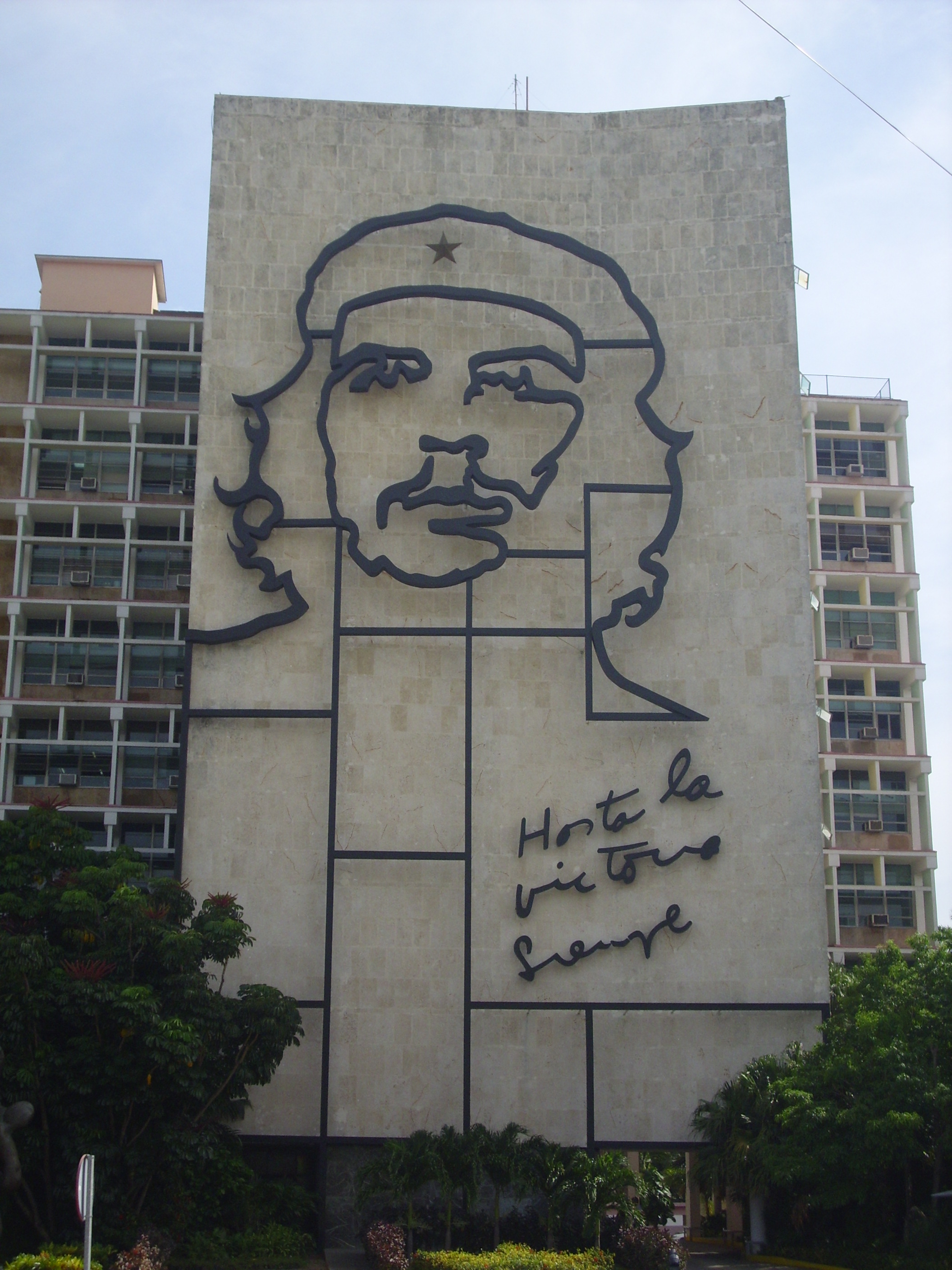 The one exception is Ernesto “Ché” Guevara, who remains a hero to virtually everyone in Cuba. His house is now a museum and his image remains ubiquitous, plastered on billboards throughout the island and immortalised in a giant sculpture overlooking the Plaza de la Revolución.
Whilst strolling through said Plaza one morning, four identical blacked-out cars zoom past me towards the government offices. In one of them rides Raúl Castro, my guide informs me. The other three are diversions should anyone try to assassinate El Presidente. Such measures are unsurprising given the six hundred odd attempts to murder Fidel throughout his presidency.
Wandering on past the crumbling facades of Old Havana, it’s impossible not to notice the number of Cubans out on the street. Why is no one at work? I wonder aloud. “The dual currency system makes life very difficult for us. The state wage is worthless, so many people don’t bother working,” my guide tells me. Frustrated by government censorship, he too has abandoned his day job. He now earns more money giving unlicensed tours of Havana and teaching Spanish to tourists.
Cuba’s dual currency system (locals are paid in “moneda nacional” which values twenty-four times less than the “convertible pesos” that tourists spend) has created social and economic inequalities that betray the egalitarian idealism of the revolution. The introduction of this stronger tourist currency has birthed a thriving but unofficial second economy, while simultaneously undermining the entire working sector. Having slipped to the bottom of the new economic hierarchy, increasing numbers of trained professionals are ditching their trades and moonlighting as waiters or taxi drivers. Shockingly, a wily street beggar can earn more in a single day than a doctor does for an entire month’s work.
A country brimming with contradictions, Cuba is now a socialist state as dependent upon capital from Western tourists as it is on discounted Venezuelan oil. Since the fall of its principal economic partner, the Soviet Union, tourism has become Cuba’s number one industry. But travel can be a segregated affair. Most visitors come on all-inclusive package holidays and are duly herded into gringo resorts like Veradero. The only Cubans they will encounter in these expensive hotel complexes are those that clean their rooms and serve their mojitos.
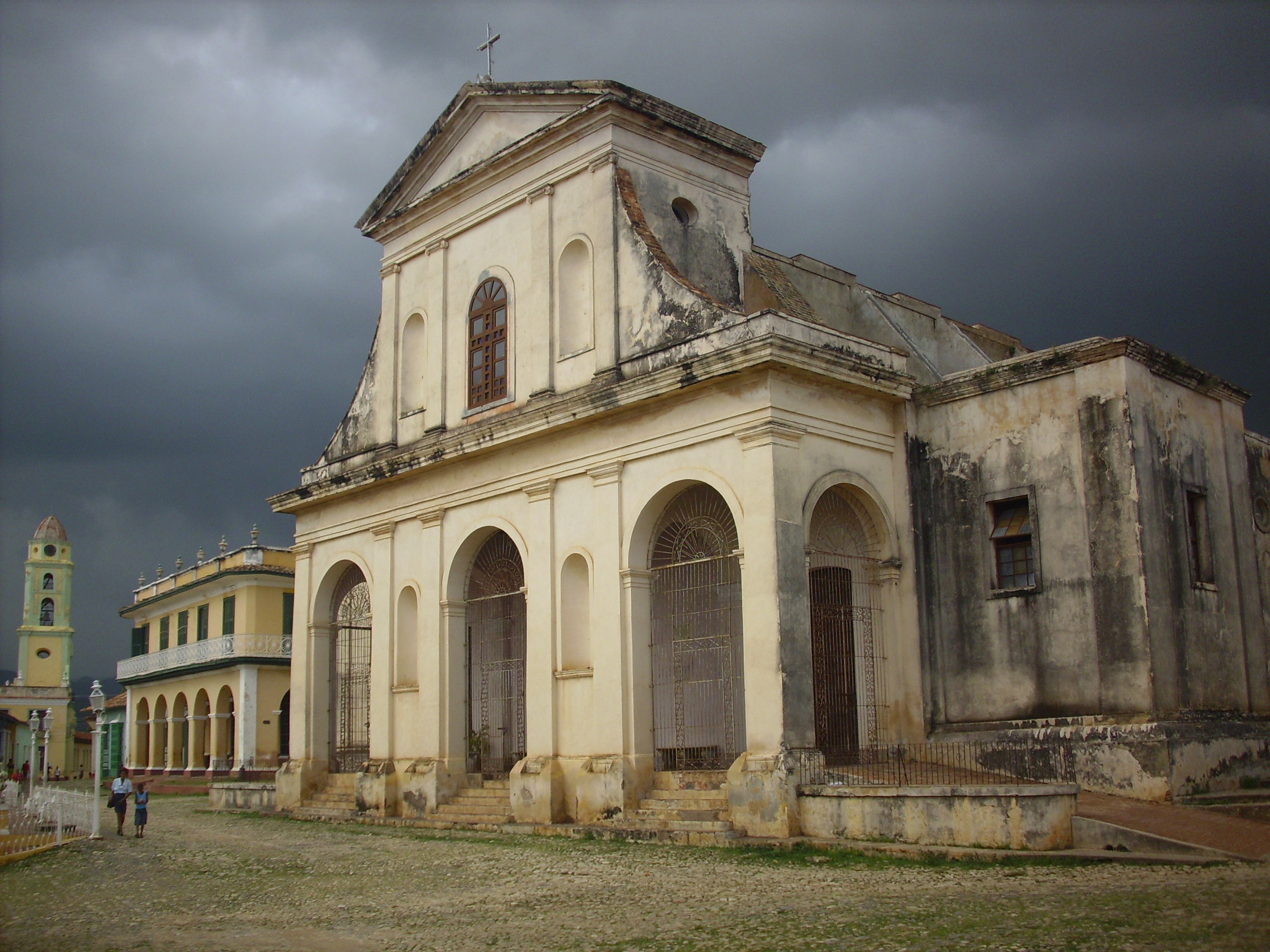
The best way to see and experience the real Cuba is to stay in the cheap and plentiful casas particulares. These are basic homestays run by local Cubans with a permit from the government (which takes a healthy monthly cut, of course). Staying in a casa is the easiest way to meet and converse with local people, while the food is generally better than what is served in most restaurants in Cuba. For a few dollars most hosts will whip up a feast of lobster or roast pork, accompanied with beans, rice and fried bananas.
Sadly not all Cubans show such courtesy toward visitors. A host of con artists prey on those new in town, bewildering their victims with a barrage of illicit propositions for accommodation, restaurants, and excursions, while often secretly taking commission. Failing that, they will also offer counterfeit cigars, drugs and even prostitutes.
Known as “jineteros” and recognisable by their dated Western fashion, these hustlers will say anything to persuade naïve tourists to part with their cash. On several occasions I was approached by seemingly friendly locals offering to buy me a drink or invite me to a party. If I so much as responded they would immediately order a round of rum, or even try to requisition a bottle, expecting me to foot the bill. Almost every traveller I met left with some such story of being scammed on their first night or two in Havana.
Yet it would be prudish and short-sighted to blame these people. Owing to the stagnant economy and low state wages, everyone in Cuba is desperate to augment their meagre earnings with cash from tourists. The product of a bizarre and broken society, these jineteros have little to live off but their own ingenuity. Ironically, they could not be further removed from the dedicated socialist that Ché once envisioned – his “New Man”. The revolution has failed them.
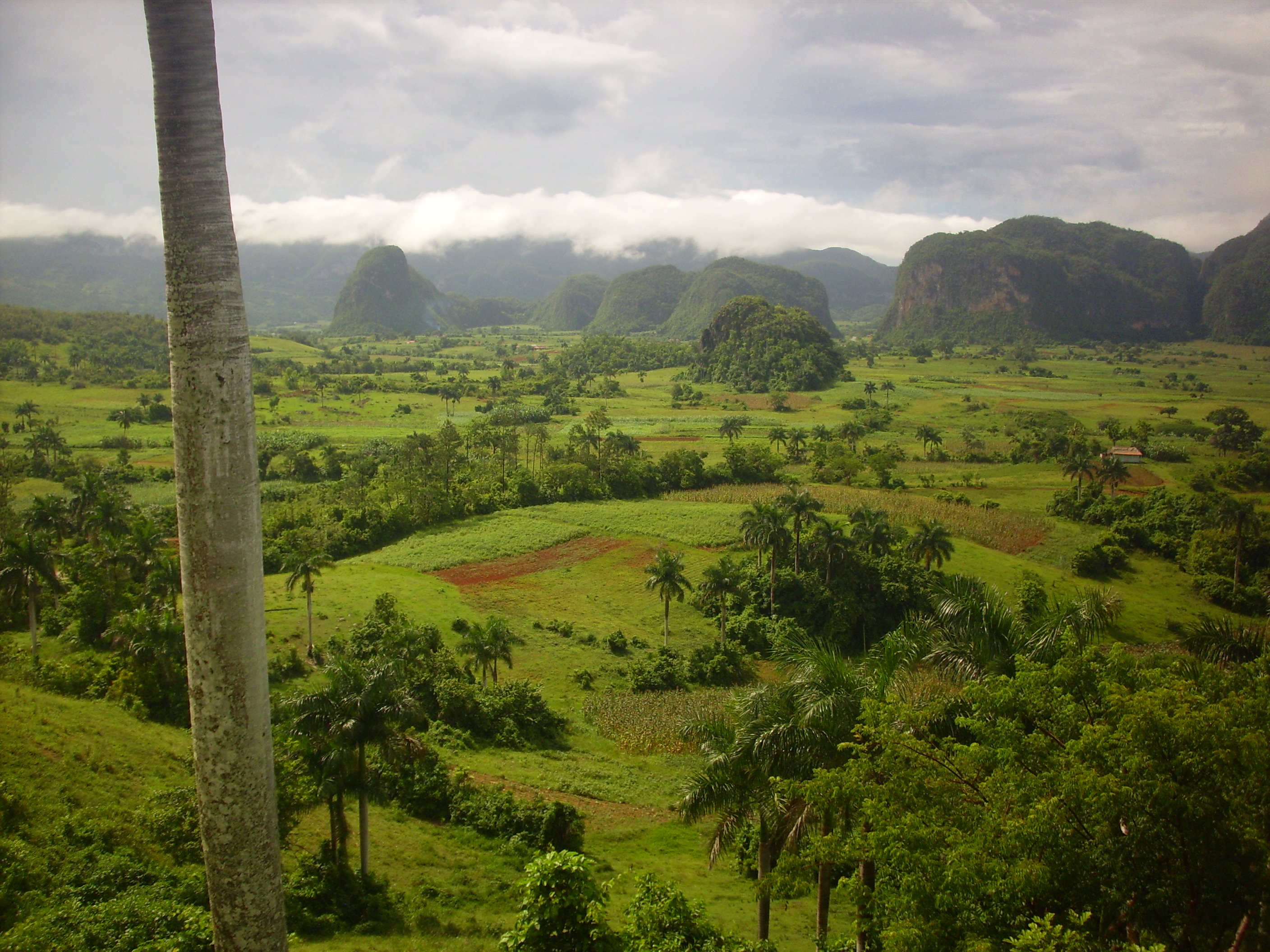
Leaving Havana, I make the four-hour bus journey to Viñales. Sited in prime tobacco country, this tranquil town sits amidst a stunning valley. Vast fields stretch out in every direction, sprinkled with palms and abruptly punctuated by towering, pincushion shaped hills. Taking in the landscape on horseback, I venture through limestone caves and sample freshly rolled cigars at a local plantation.
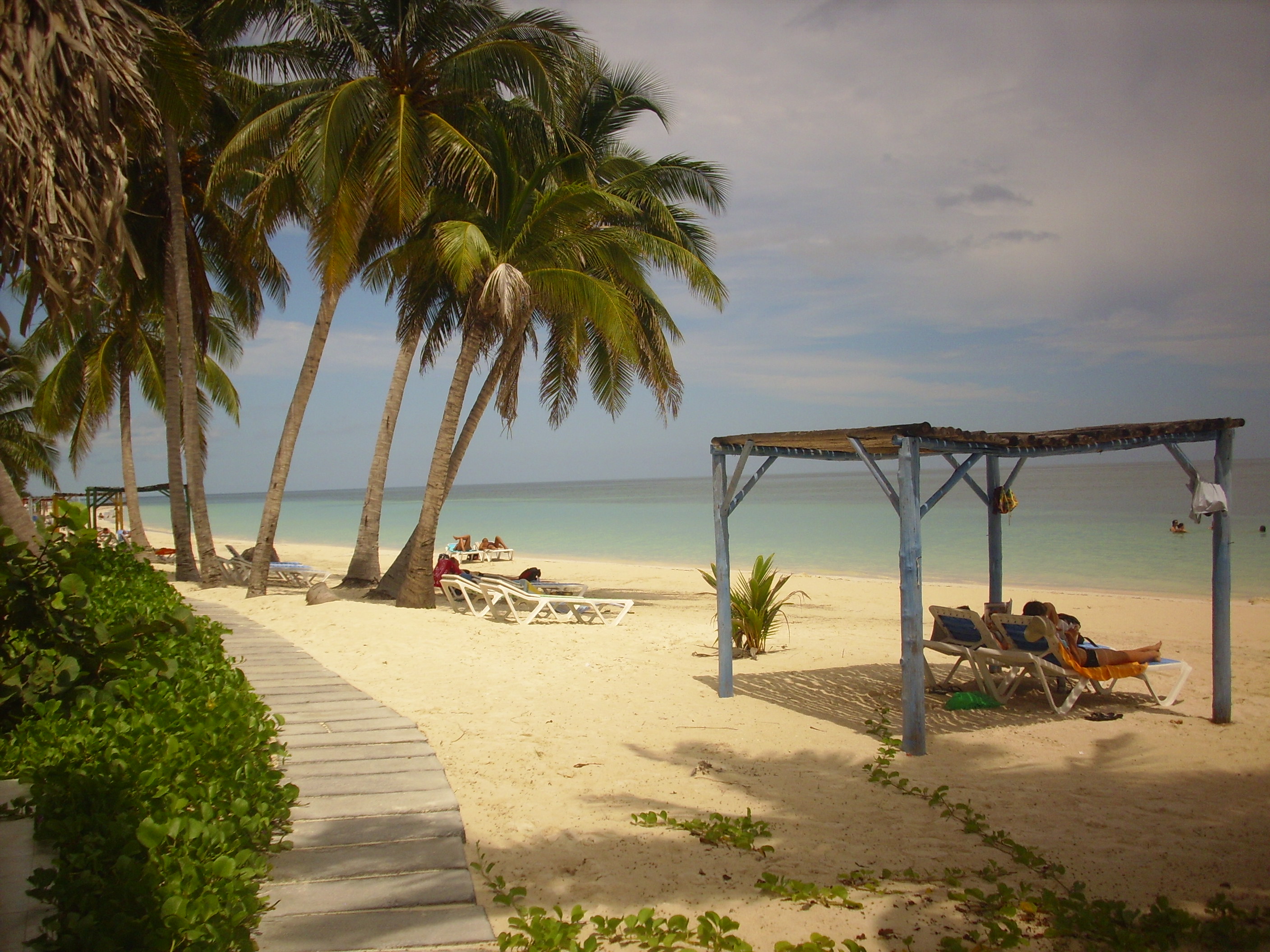
The following day I join an excursion to Cayo Levisa, a gorgeous desert island just off the northern coast of Cuba. We are all enchanted by this slice of paradise, but the feeling is tinged with guilt. As a private beach, it remains forever out-of-bounds to its natural inhabitants: los cubanos.
Travel restrictions are among the cruellest of the limitations on Cuban citizens. It remains very difficult to acquire papers to leave the country, and it would be near impossible to earn enough to travel through any legal state-paid occupation. This arises in conversation with Orlando, the affable nephew of my hostess in Viñales.
“Qué lástima.” What a pity. “That’s what everyone says,” he reflects, with a hint of bitterness. “But at least we can come to know the world by talking to everyone that visits us.”
Undeterred by these stringent restrictions, Orlando has busied himself learning as many foreign languages as possible. Fluent in English, French, Italian and Portuguese, and currently mastering Hebrew, he wants to converse with visitors of all nationalities. Proud and defiant in the face of adversity, Orlando’s attitude epitomises the spirit of the Cuban people. Moreover, with internet access limited and expensive, this remains the easiest means of communication with the outside world.
Perhaps things will change soon? I offer. “Even if they do it will be too late for me. I would love to have travelled the world in my youth but I’m too old now,” is his wistful reply.
To liven the mood we decide to hit the town. He introduces me to his friends; we drink rum and dance salsa, while I attempt to keep up with the stand-up comedy. It stretches my Spanish skills and I strain to make sense of what is happening. It is a fitting end to my stay in this perplexing country.
On my final day I reconvene with my guide in Havana for one last inspection of the city. Before parting he gifts me an untouched copy of Ché’s diaries. “The university hands them out to anyone who graduates,’ he shrugs, ‘I’ve got a tonne of them.”
Is this all that remains of the revolution – a souvenir to be thrown at inquisitive tourists like myself? It might well be. Seemingly aware of his country’s social and economic shortcomings, Raúl Castro has recently begun releasing dissidents and easing restrictions on private enterprise. It remains to be seen whether these reforms are merely the first winds in a gathering storm of change.
But a complete transformation of the island is unlikely as long as the aging but resilient Castros remain in charge. For the time being Cuba remains a rare and fleeting haven from globalisation. Exhilarating, enlightening and at times frustrating, it is like nowhere you have been. Do not miss it.
An edited version of this feature appears in issue 3 of West East magazine – Men’s edition (March 2011), accompanied by my original photography.

