New film exposes Mexico’s failing education system

Directed by Juan Carlos Rulfo (the son of a noted Jalisco author) and journalist Carlos Loret de Mola, “De Panzazo” (roughly meaning “Barely Passing”) lays bare the harsh realities of both public and private education in Mexico.
Three years in the making, the film examines the education system from the daily lives of students and teachers to the offices of union leaders and the upper echelons of Mexico’s education authorities.
“We wanted to give a voice to the people,” says Rulfo, of the documentary which includes interviews with students and teachers filmed in a dozen schools across Mexico, from Ciudad Juarez to the mountains of Chiapas. The filmmakers also gave cameras to the students, who captured images of broken classroom windows and teachers talking on cellphones during classes.
Armed with an alarming array of statistics, the filmmakers seek to inform and mobilize the public on the problems and consequences of poor quality education, with the ultimate aim of transforming Mexico’s education system.
According to the Organization for Economic Co-operation and Development (OECD) Family Database, the average Mexican spends just 8.6 years in school, well below the world average of 11.9 years. Of every 100 students entering primary school in Mexico, only 64 complete it. And of these, just 46 will go on to complete a secondary education.
Surprisingly, the OECD says Mexico spends a higher proportion of public money on education than any other country (20.6 percent of government spending, as opposed to the world average of 12.9 percent).
But how can education be in such dire straits if so much money is being spent on it?
“De Panzazo” suggests that greed and corruption among teachers’ unions and politicians is the root cause of the education system’s tragic deficiencies. The filmmakers charge state government officials with diverting education funds for personal gain and submitting to union pressure to avoid changes in the system.
The film has drawn the heat of union leaders, who charge it with pushing for the privatization of education in Mexico, yet it actually demonstrates that private school students do little better than those in public schools.
Among those interviewed for the film was Elba Esther Gordillo, the powerful and influential leader of Mexico’s National Educational Workers Union (SNTE). Founded in 1949, the SNTE is the largest trade union in Latin America, with over 1.4 million members.
The union boss since 1989, Gordillo is frequently accused of milking the union of its finances but few of the charges have ever been proven.
With thousands of children forced to attend schools in deplorable conditions, Gordillo once gave away 59 Hummers to SNTE leaders at a cost of 30 million pesos. She is considered the main obstacle to educational reform and has often been criticized for using the union for political leverage.
Gordillo firmly rejects any blame on behalf of the SNTE for Mexico’s educational woes. The filmmakers invited her to watch the finished documentary. It is unlikely she will accept.
De Panzazo will be screened in over 200 Cinepolis cinemas in 18 cities across Mexico (including Guadalajara) from February 24. Teachers can see the film for free at any Cinepolis on February 26.
Access restricted to snow-capped volcano
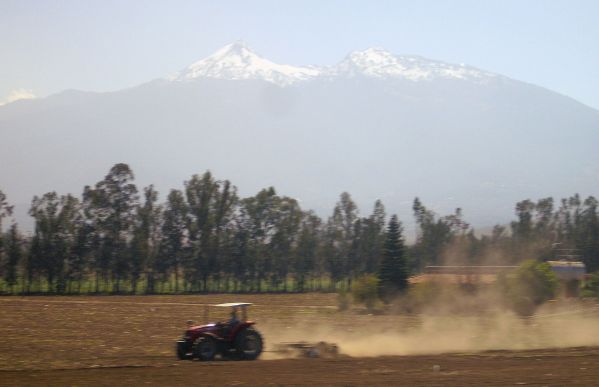
Living up to its name, the 4,260-meter Nevado de Colima is covered in a thick white blanket of snow, the result of a cold front that saw local temperatures plummet last week.
An inactive volcano (not to be confused with the active Volcan de Colima five kilometers to the south) the Nevado de Colima is a popular tourist attraction, being the only place in this part of Mexico to see regular snowfall. Snow aside, the pine-clad peak is a popular destination for camping, hiking, climbing and mountain-biking.
The Jalisco Civil Protection Unit (despite its name, the volcano lies on the Jalisco side of the border with Colima) encourages visitors to come equipped with suitable clothing for cold weather. Visitors are also recommended to ascend the volcano before midday and begin their descent by 6 p.m. at the latest.
The Nevado de Colima is a two-and-a-half hour drive from Guadalajara. To get there take Lopez Mateos south out of the city and drive toward Colima. Turn off on the Carretera Libre to Ciudad Guzman. There, follow directions to the Parque Industrial Zapotlan and continue on that road until you see a sign for the national park’s main entrance.
The Mexican Soccer Show

I made my second, somewhat stuttery appearance on the Mexican football podcast run by my mate Tom Marshall this week. Listen here.
Being a Spurs fan, I went on to talk about about Giovani Dos Santos, Tottenham’s talented Mexican misfit. Giovani has never made much of an impact since signing from Barcelona almost four years ago, but always performs well for the Mexican national team.
I’m sure I’ve already posted this goal before, but it’s that good you should watch it again:
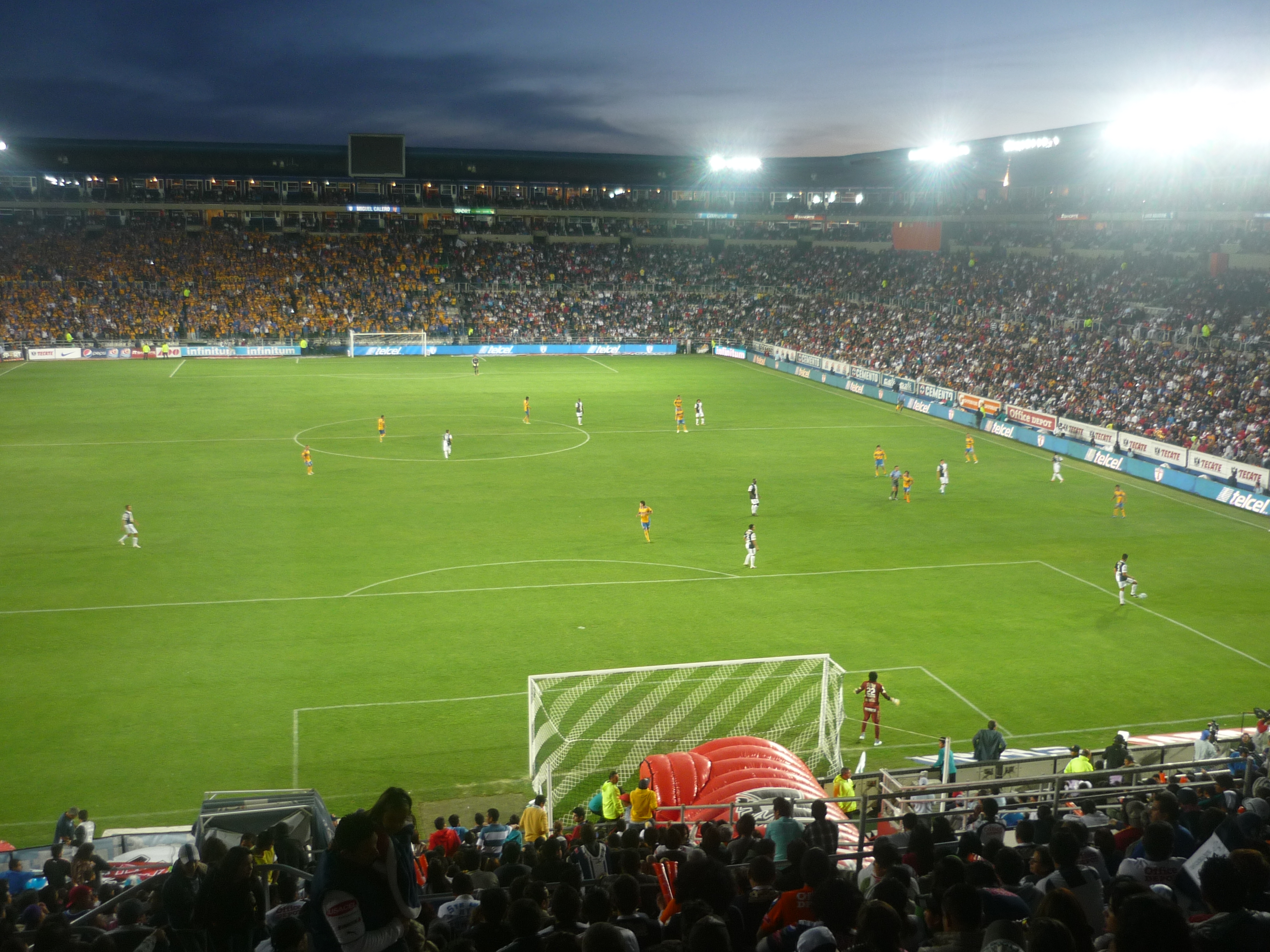
I first appeared on the podcast last year commenting on the importance of lively away fans after attending Pachuca vs. Tigres in the Estadio Hidalgo.
As I alluded to in the podcast, Pachuca is the home of Mexican football. The game was introduced by a bunch of Cornish miners, who also brought over pasties, now a local delicacy in the state of Hidalgo.